9 hr
Las Perlas Whale Watching & Island Discovery
- Expert local guide
- Small group
- Skip-the-line access
- Free cancellation
Las Perlas Whale Watching — Weekend Departures & Island Tours
Humpback migration meets Pacific archipelago, departures twice weekly at dawn
Compare fares, pick the fit — all bookings are mobile-voucher and eligible for free cancellation where shown.
9 hr
9 hr
10 hr 30 min
Selecting the right las perlas whale watching tour depends on your preference for private island amenities versus an active nature-focused itinerary. These las perlas whale watching tours provide specialized maritime access to the Gulf of Panama for observing humpback whales in their natural habitat.
| Island Beach Club Premium Day Trip |
Top pick Adventure Archipelago Nature Expedition |
|
|---|---|---|
| Duration | 10 hours | 9 hours |
| Access Method | Motorized Catamaran | Speedboat/Tour Boat |
| Whale Watching Time | 3 hours | 2 hours |
| Inclusions | Lunch, beach club, snorkeling | Lunch, snorkeling, hydrophone, island visit |
| Best for | Families and leisure seekers | Nature and marine biology enthusiasts |
| See tickets & prices |
Verdict: First-time visitors seeking a full-day experience with established amenities should book one of these las perlas whale watching tickets for the best balance of comfort and wildlife sightings.
Worth it for marine wildlife enthusiasts
Las perlas whale watching delivers genuine value during peak humpback migration season (July–October), when sighting rates approach 90%. The dedicated Las Perlas Whale Watching & Island Discovery tour combines cetacean observation with snorkeling stops and island exploration, typically running 6–8 hours from Panama City marinas. Humpback whales migrate through the Gulf of Panama to breed and calve in these protected waters, offering close encounters with breaching adults and curious calves. Beyond humpbacks, tours frequently spot bottlenose dolphins, manta rays, and seasonal sea turtles. For wildlife photographers and marine biology enthusiasts, the Pearl Islands archipelago provides one of Central America's most reliable whale-watching windows without the crowds of Pacific coast hotspots. Casual beachgoers may find better value in the all-inclusive island day trips, which focus on swimming and relaxation rather than active wildlife tracking.
Bottom line: Book las perlas whale watching tours between July and October for the best chance at unforgettable humpback encounters in calm, protected Gulf waters.
They complement each other; most visitors who do both call the deep-sea archipelago the more immersive encounter for nature enthusiasts. Many travelers securing las perlas whale watching tickets prefer the remote nature of the islands compared to mainland outings.
|
Top pick Las Perlas |
Panama City Coastal | |
|---|---|---|
| Boat travel time | 1.5–2 hours each way | 30–45 minutes each way |
| Marine life variety | High diversity and humpbacks | Seasonal humpback concentrations |
| Island stopovers | Yes, remote beach access | None, strictly coastal navigation |
| Crowd levels | Low, dispersed groups | High, frequent vessel traffic |
| Total expedition duration | 8–10 hours | 3–5 hours |
| Sea conditions | Open ocean, potential swells | Calm, bay-protected waters |
| See tickets & prices |
Verdict: Choose the las perlas whale watching tour for a full day of remote maritime exploration, or select coastal trips if you prefer shorter transit times and predictable sea conditions when booking las perlas whale watching tours.
Hand-picked experiences loved by thousands of travelers
10.5 hours
Free Cancellation
Spend a full day relaxing on one of Contadora's most expansive beaches with lunch, cocktails, and amenities included.
9 hours
Free Cancellation
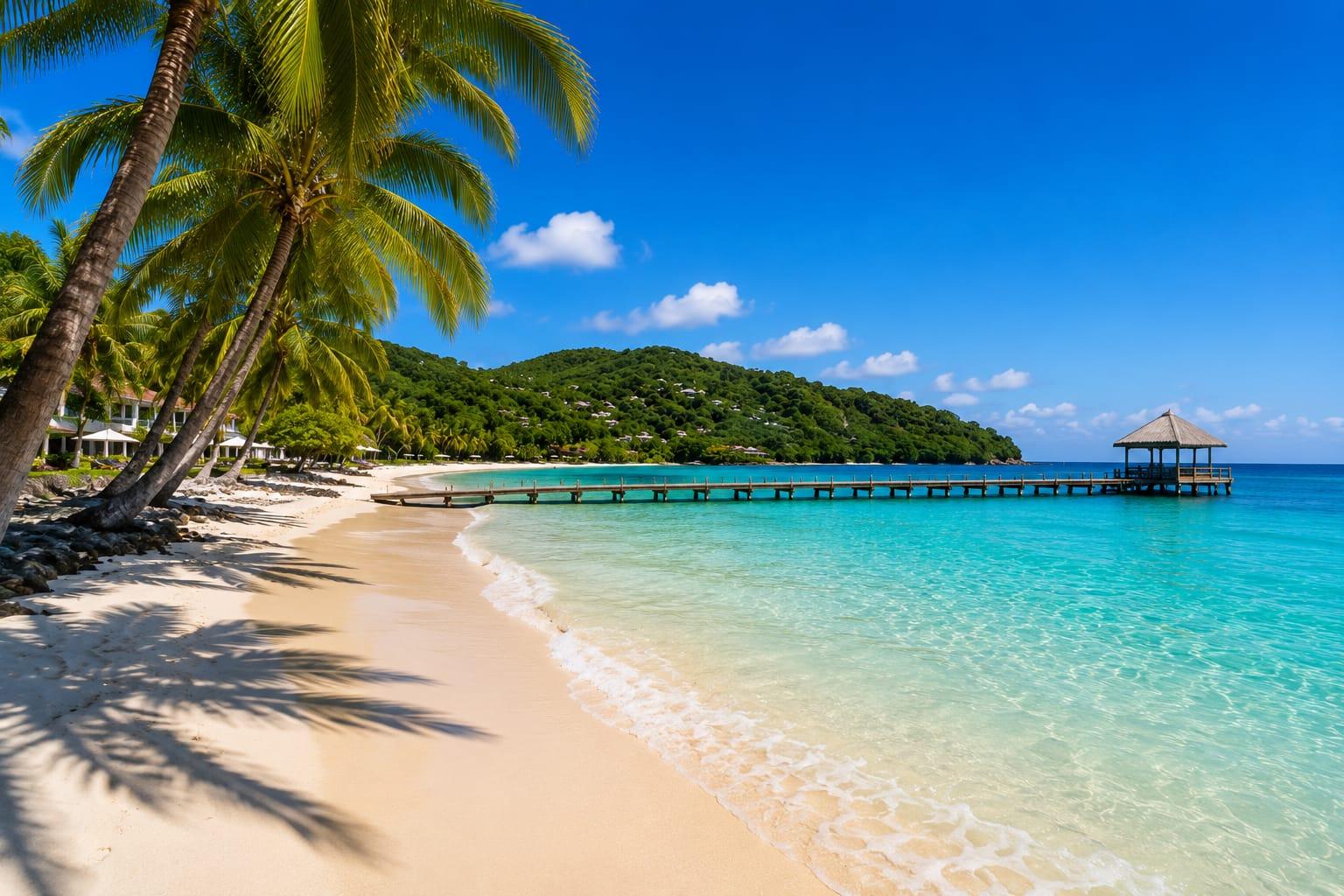
Discover a Pacific island paradise with pristine shores, turquoise waters, and historic charm just off Panama's coast
9 hours
Free Cancellation
Tropical island getaway with pristine beaches, snorkeling, and lunch—just two hours from Panama City
9 hours
Free Cancellation
Escape to a pristine private island with white-sand beaches and turquoise waters, just 90 minutes from Panama City
8 hours
Free Cancellation
Full-day exclusive island-hopping adventure aboard a private vessel for up to 20 guests
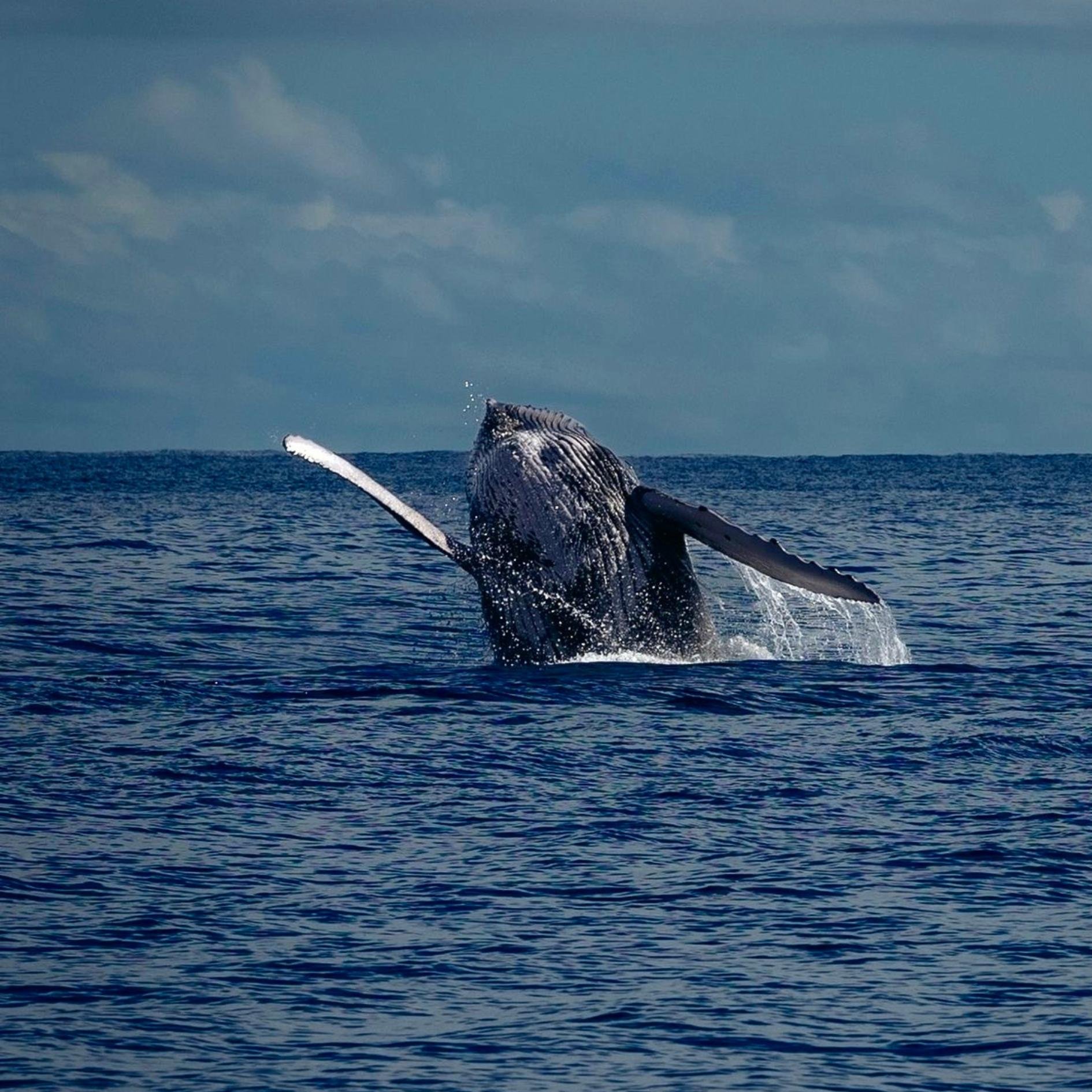
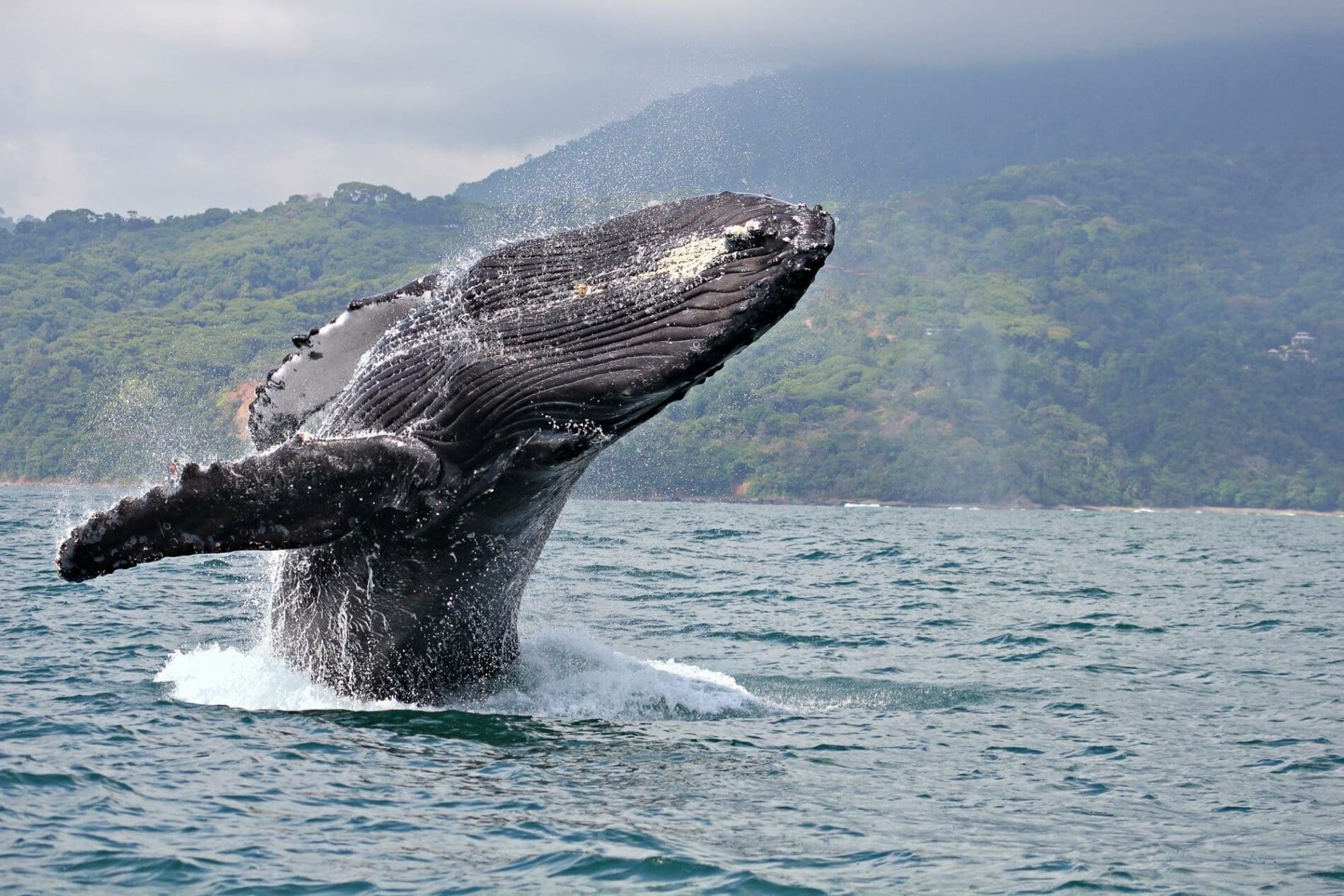
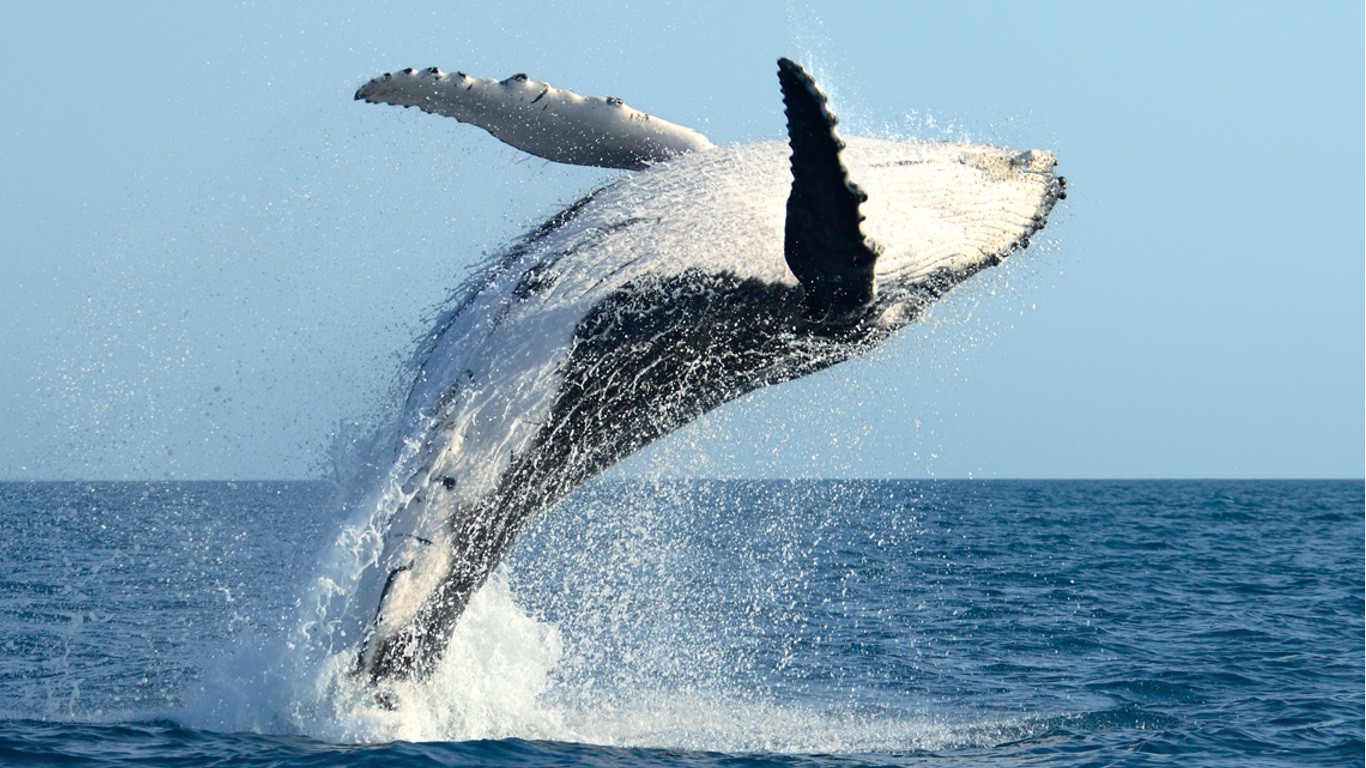
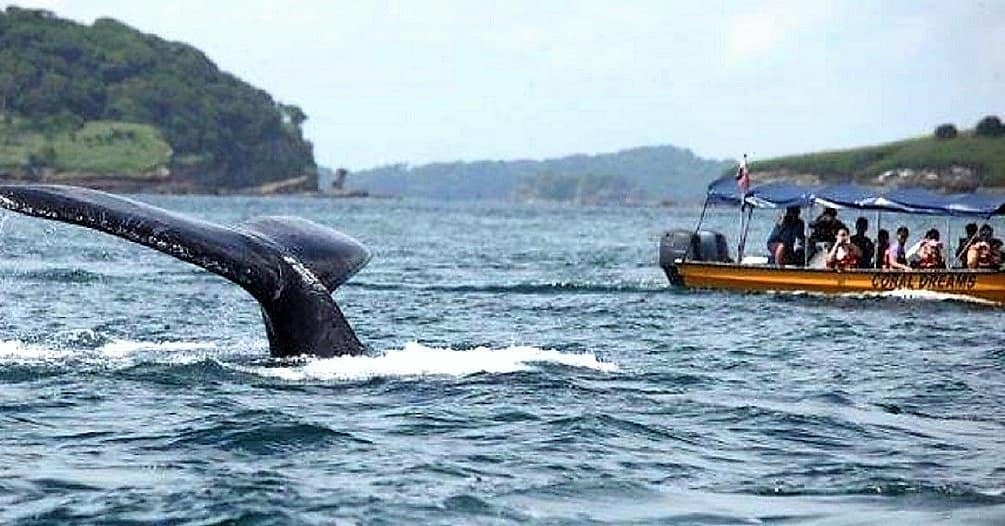
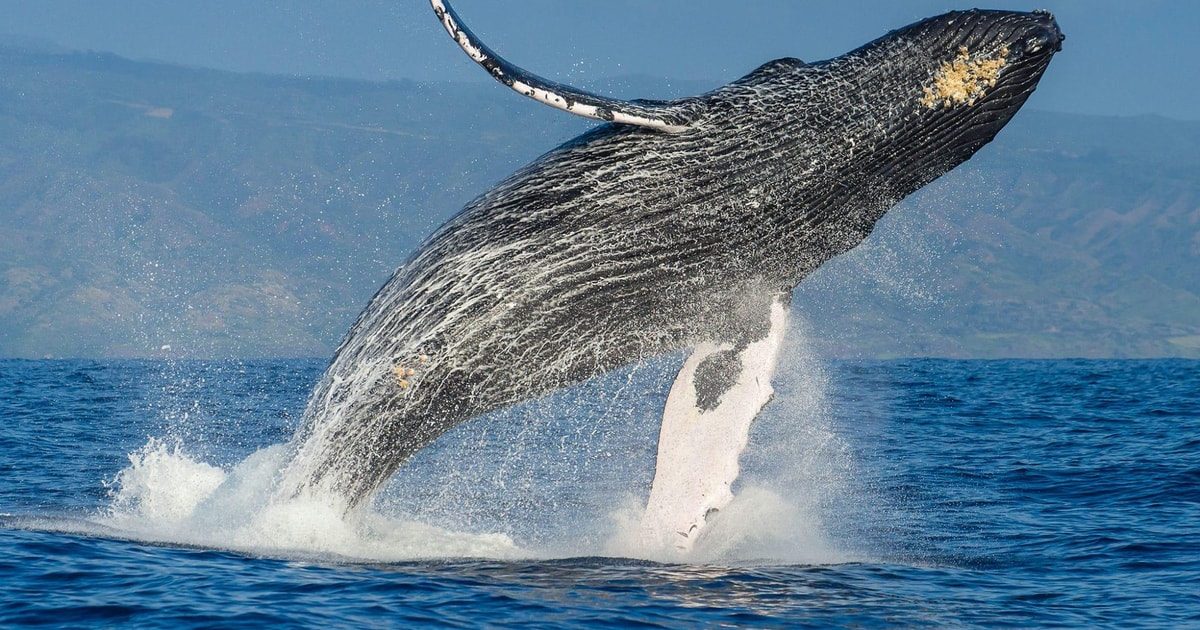
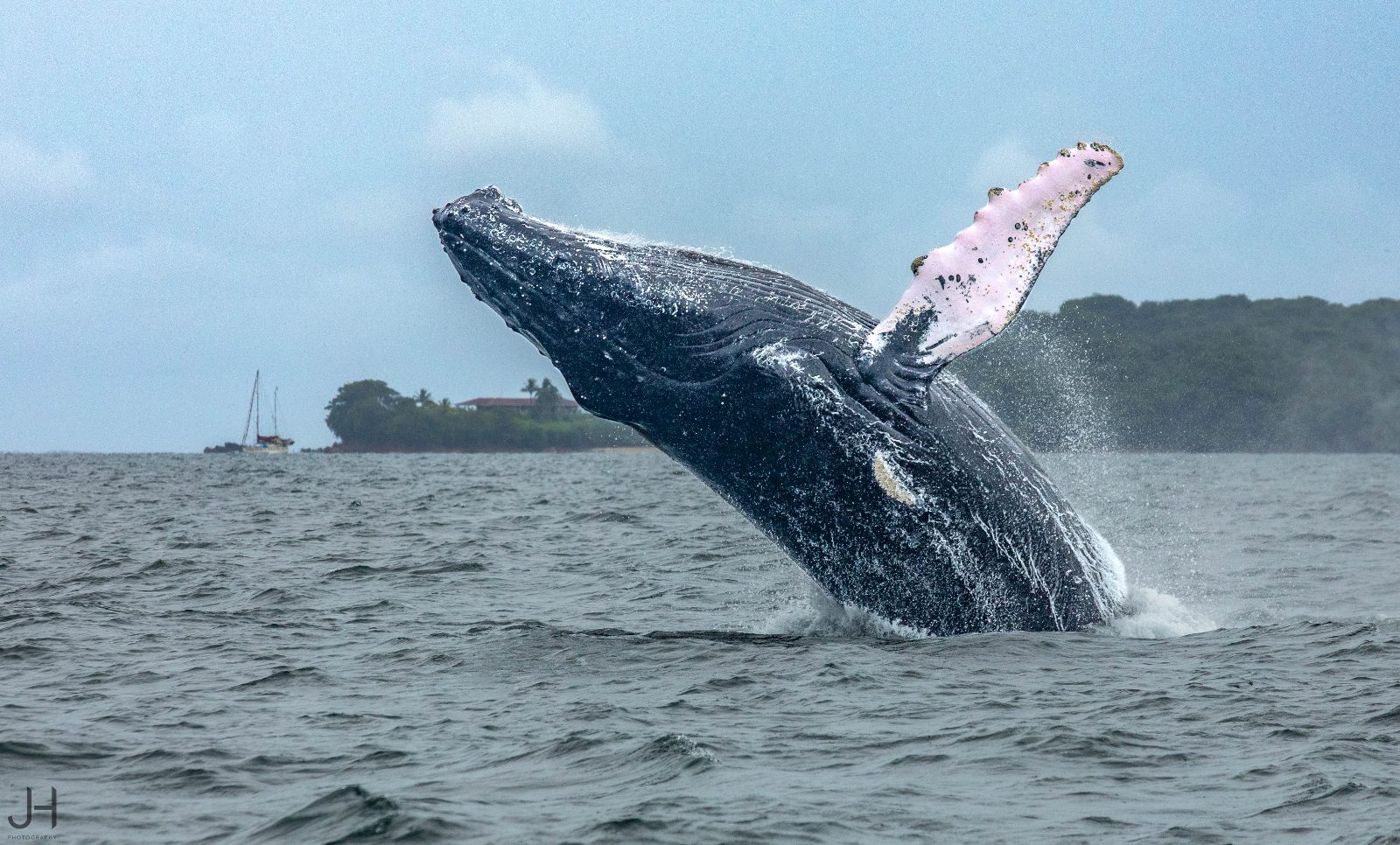
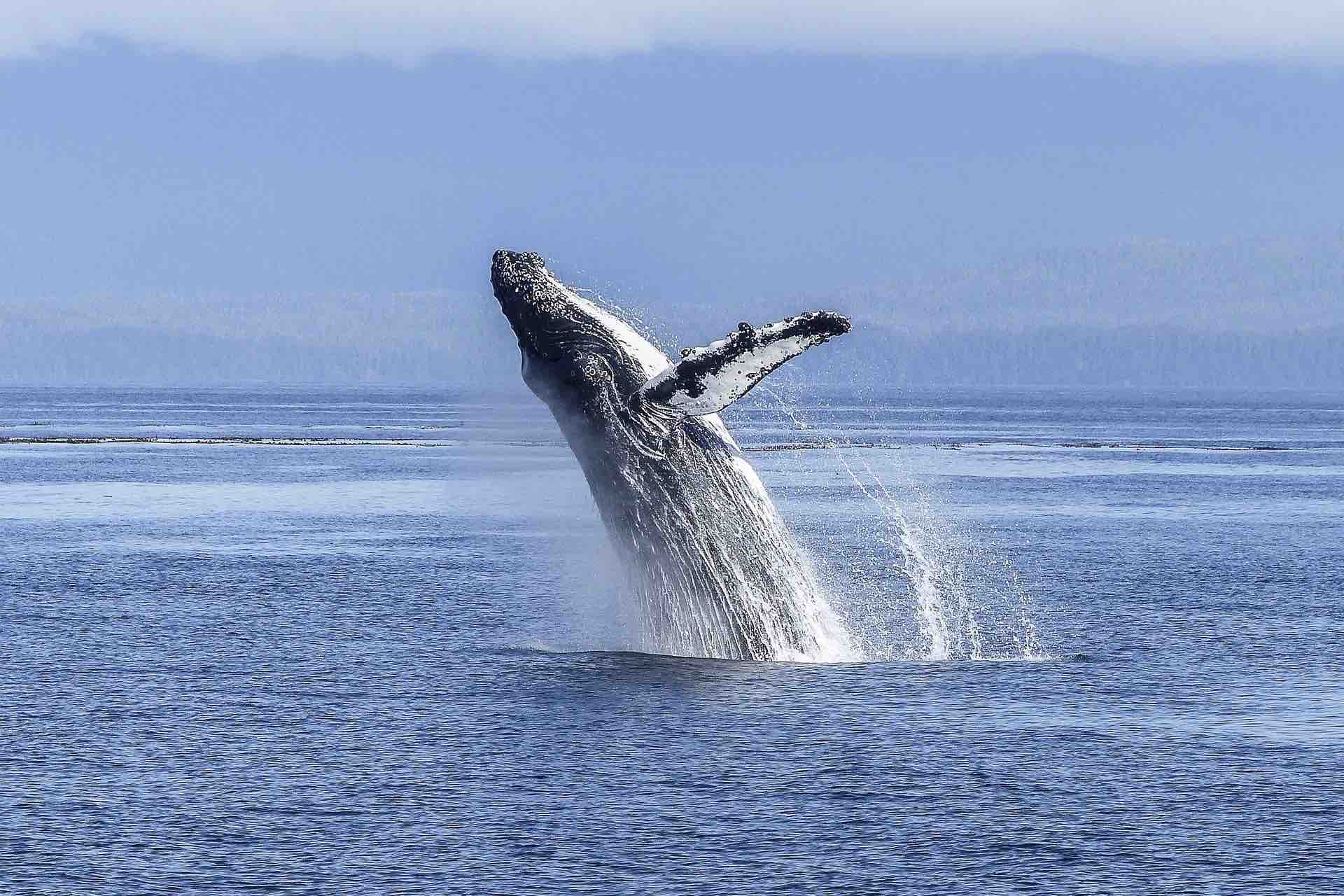
Observe migrating Humpback whales breaching in the Gulf of Panama waters. These mammals frequent the archipelago from July through September.
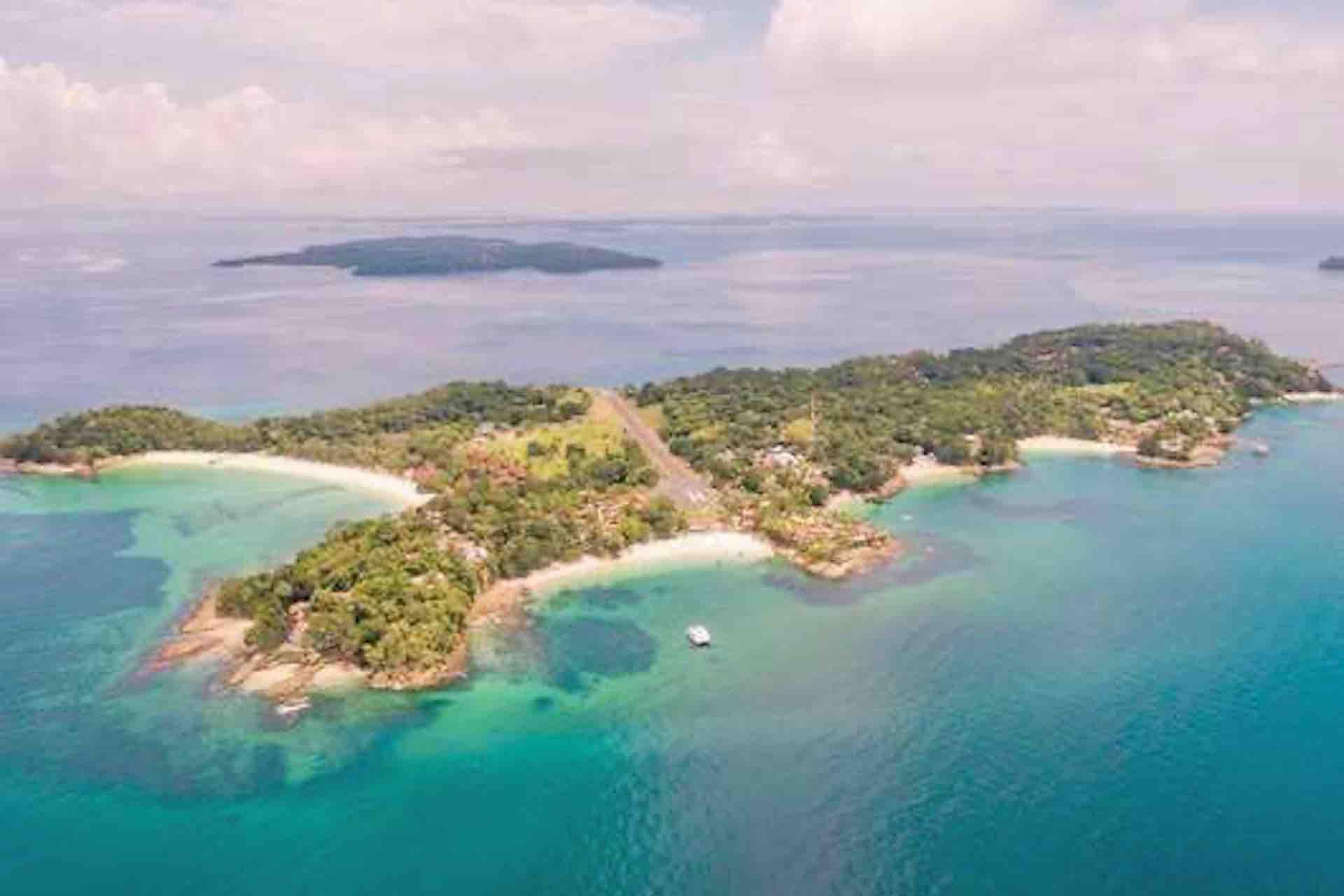
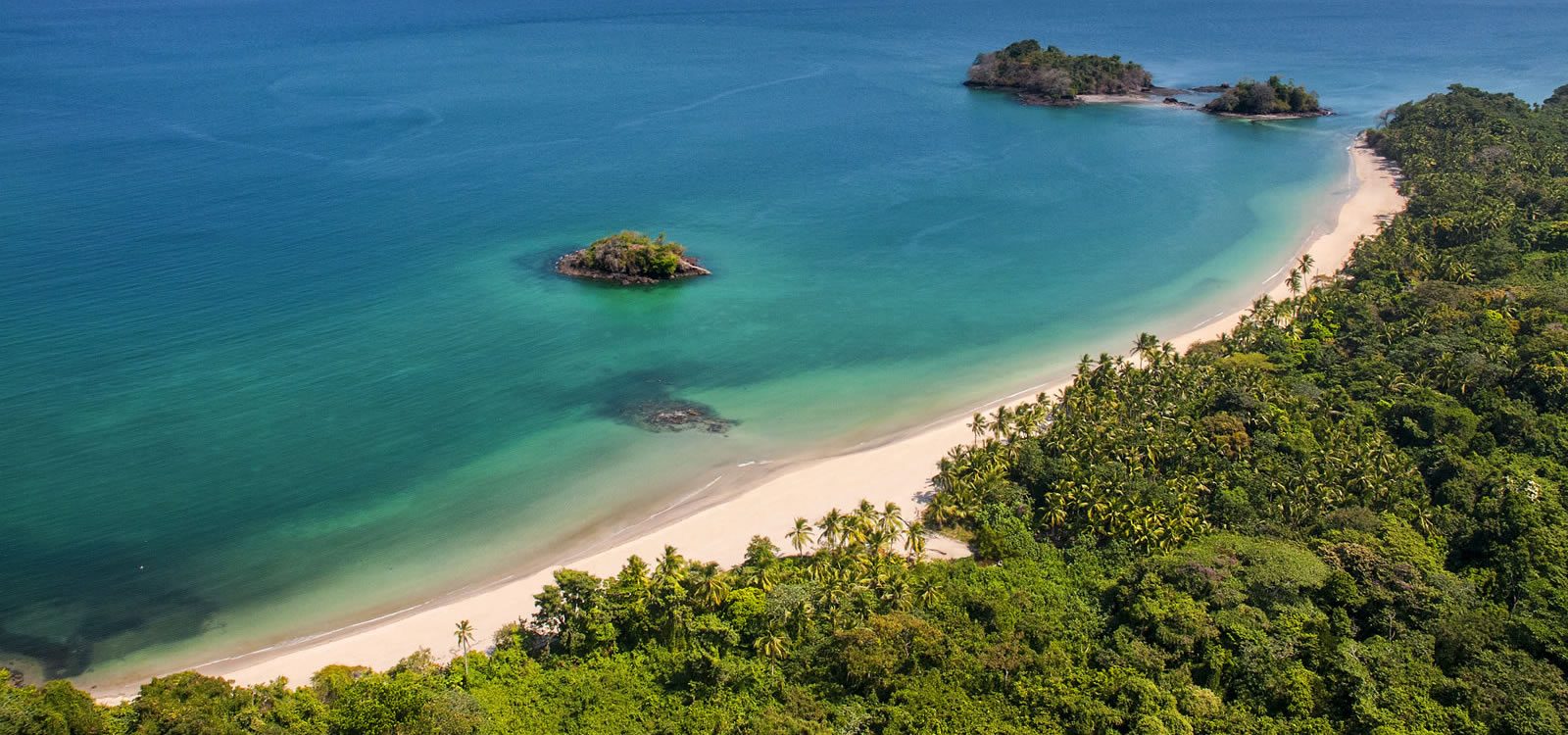
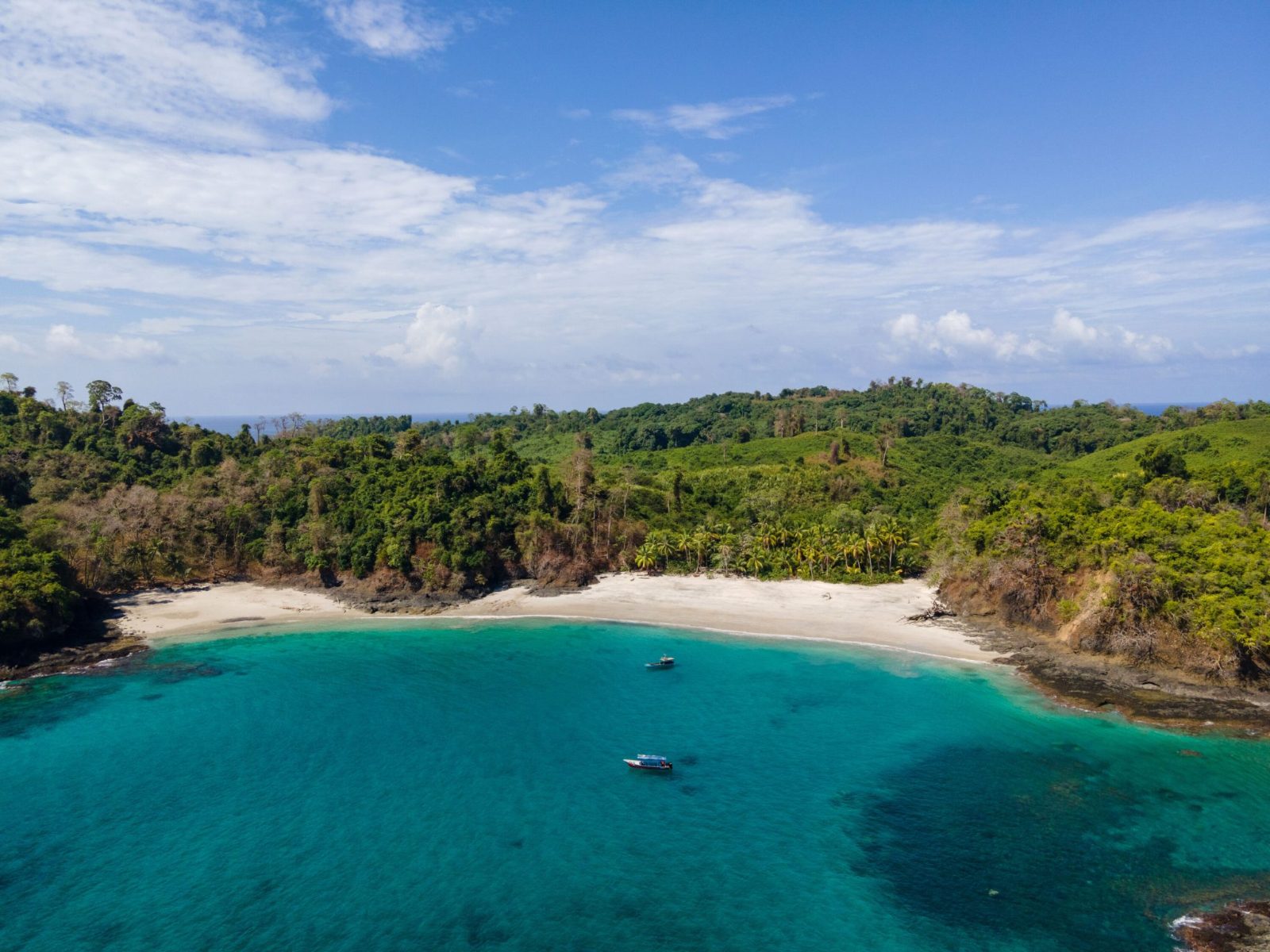
Explore the diverse marine environment of this cluster of over 200 islands. The area serves as a critical breeding ground for marine life.
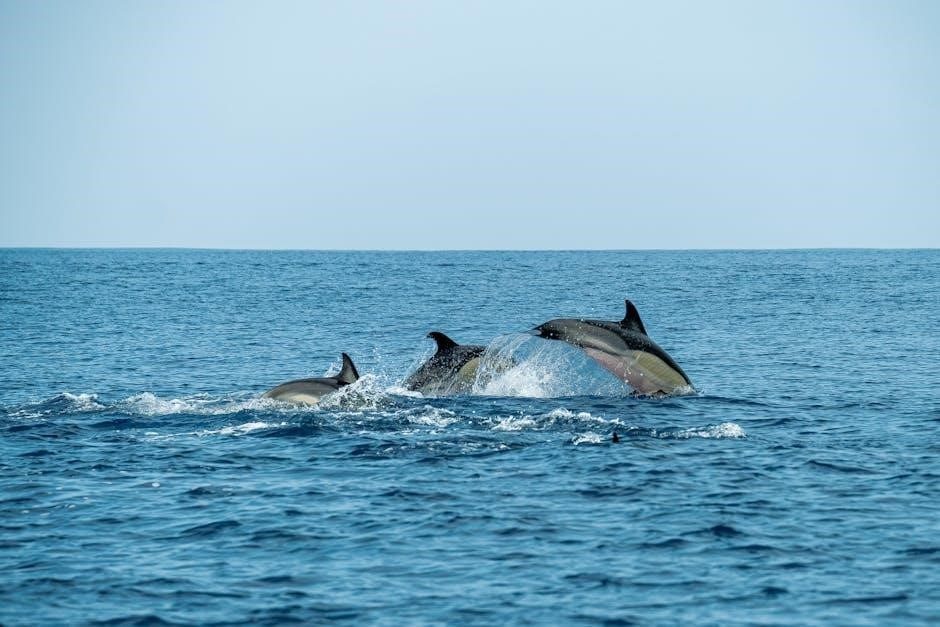
Witness diverse marine biodiversity in the surrounding crystal clear currents. This area is a hotspot for spotting dolphins alongside whale pods.
You board at Contadora's main dock at 06:30, where your guide reviews the day's route and hands out life vests. The boat clears the bay by 07:00, heading southeast toward deeper water as the sun lifts over Saboga Island.
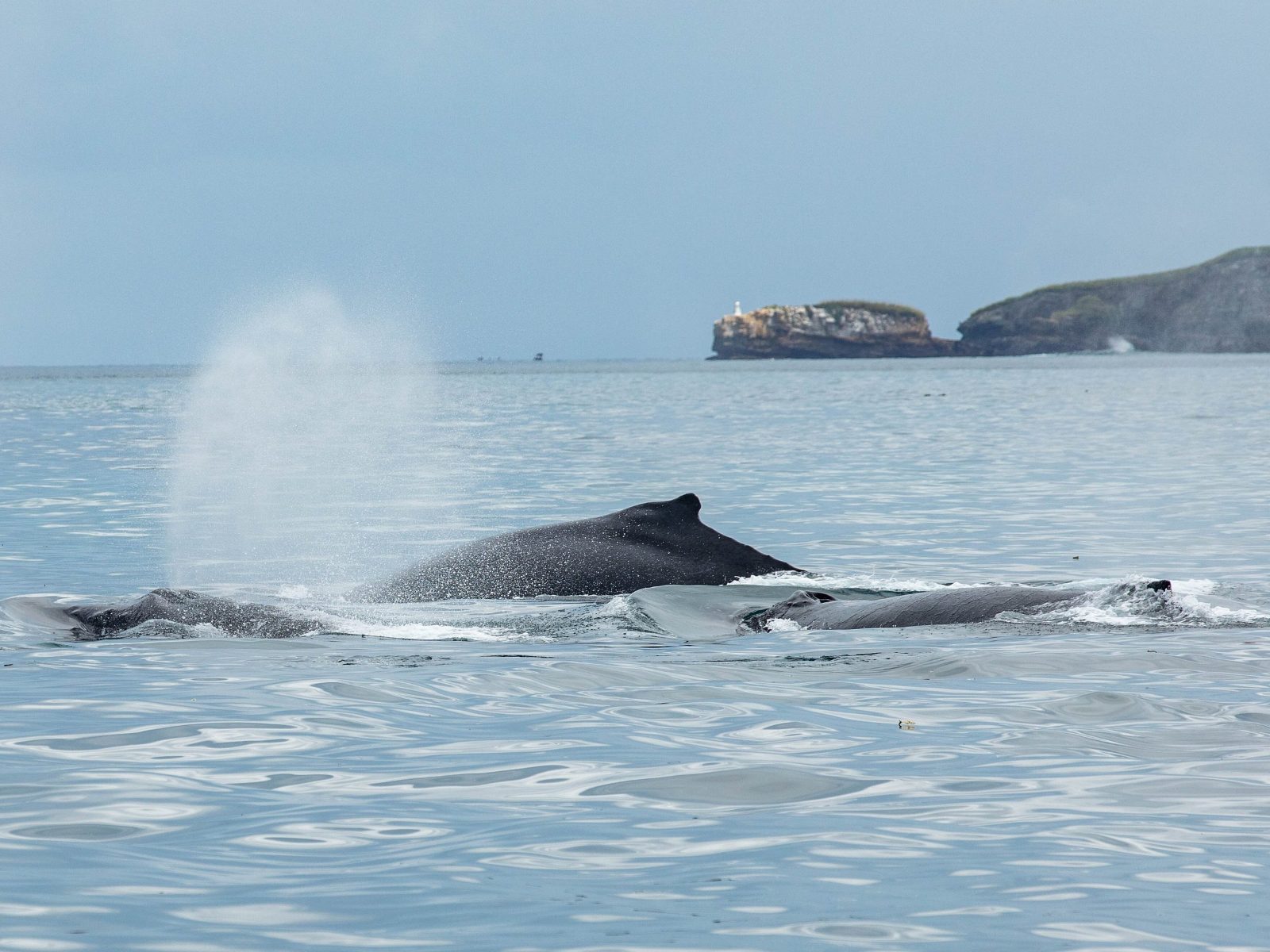
Within twenty minutes, the captain cuts the engine and you drift in silence, scanning the horizon for blows — the vertical mist plumes that signal a surfacing whale.
The first breach comes without warning: a 30-ton humpback rises completely out of the water 200 meters off the port side, twisting mid-air before crashing back in a white explosion. Your guide notes the calf trailing close behind, practicing shorter leaps. You watch the pair for fifteen minutes as they circle slowly, the mother's pectoral fins — nearly five meters long — slapping the surface in rhythmic sequences. The boat drifts closer, engine still off, until the whales sound and disappear into water too deep to see.
By 09:00 you anchor off Pacheca Island for snorkeling. The coral shelf drops steeply, and you follow a hawksbill turtle along the slope, past sergeant majors and parrotfish grazing algae. The return crossing takes forty minutes, and you dock at Contadora by noon, sunburned and salt-crusted, with a memory card full of blurred tail flukes and one perfect breach.
All the details about your upcoming adventure in one place
Humpback whales migrate 8,500 kilometers from Antarctic feeding grounds to the warm Gulf of Panama each year, and the Pearl Islands archipelago sits directly along their calving corridor.
Between July and October, mothers and newborn calves linger in the protected waters surrounding Contadora, Saboga, and San José islands, where depths drop quickly from shore and nutrient upwellings sustain the food chain. The archipelago's 200-plus islands were named for the pearls harvested here during the Spanish colonial period, but today the real treasure surfaces in breaches, tail slaps, and the low-frequency songs that carry for miles underwater.
Las perlas whale watching tours operate exclusively on weekends during the migration window, departing at 07:30 from Contadora or directly from Panama City via boat transfer. The narrow timing reflects both tidal patterns and whale behavior: early-morning departures align with calmer seas and increased cetacean activity near the surface. Most excursions combine whale observation with snorkeling stops at coral formations off Mogo Mogo or Pacheca islands, where visibility reaches 15 meters and green sea turtles forage among brain coral colonies. Commercial operators work under Panama's marine mammal protection protocols, maintaining a 250-meter observation distance and cutting engines when pods approach voluntarily.
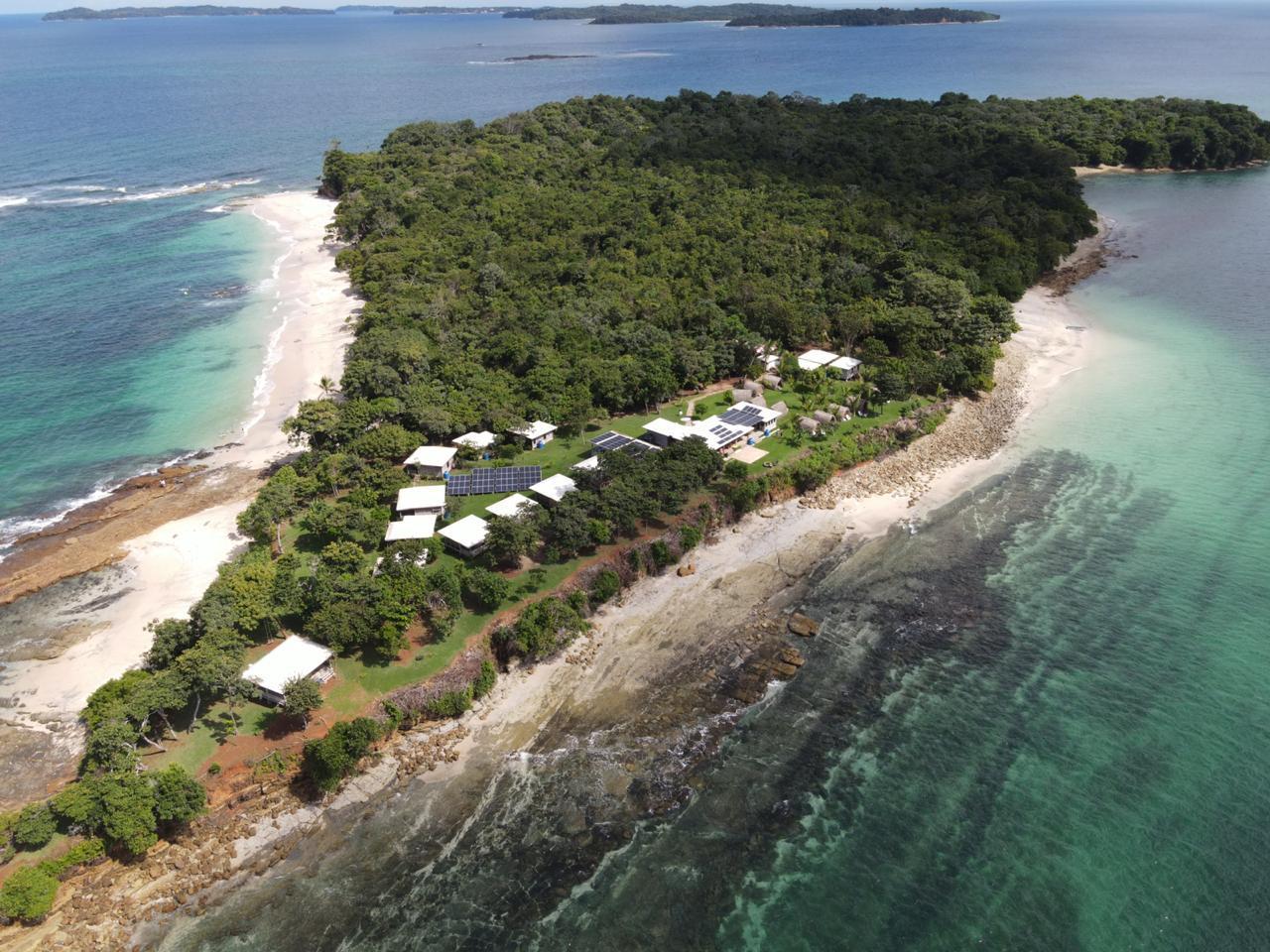
The archipelago's isolation — 70 kilometers southeast of Panama City — preserves conditions that have drawn humpbacks for millennia. No roads connect the islands, and only a handful support permanent settlements. Contadora, the tourism hub, houses fewer than 200 full-time residents. The surrounding waters belong to the Las Perlas Special Management Zone, established in 2007 to regulate fishing and tourism activity. Peak sightings occur in August and September, when both northbound and southbound migrations overlap and mothers teach calves the breach-and-dive rhythm they'll carry across hemispheres. Photography requires patience: whales surface unpredictably, and the Gulf's afternoon wind chop reduces visibility after midday.

Humpback whales migrate 8,500 kilometers to calve in the Gulf of Panama, and the Pearl Islands sit directly along their corridor.
Wear light, breathable clothing suitable for tropical temperatures and sun exposure. Non-slip footwear is recommended for boarding las perlas whale watching vessels.
Keep belongings minimal as boat storage is restricted during las perlas whale watching expeditions. Secure all items in water-resistant bags to protect against sea spray.
Waterproof housing for cameras is advised for capturing high-quality images during a las perlas whale watching tour. Respect the distance protocols established by local marine conservation guidelines.
Children are welcome on many las perlas whale watching excursions, provided they are supervised at all times. Ensure infants have appropriate safety life vests provided by the operator.
Boat access for las perlas whale watching may require boarding via small tenders or docks with variable heights. Guests with mobility concerns should confirm specific vessel accessibility before booking.
Bring sufficient hydration and light snacks for your las perlas whale watching day trip. Avoid single-use plastics to help protect the Gulf of Panama marine environment.
Operating Hours
Sat-Sun: 06:30–17:30
Address
Archipiélago de las Perlas, Gulf of Panama, Panama
Accessibility
Varies by boat operator facilities
Best Window
06:30–07:30 for departure
Storage
Limited space on commercial vessels
Navigation
Accessible via maritime transit only
Public transport · 2 hours · Varies by operator
Ferry services connect Panama City to the archipelago daily.
Taxi · 30 minutes · Varies
Ride-sharing apps or taxis to the marina are recommended for early 06:30 arrivals.
Full refunds are typically provided if las perlas whale watching tours are cancelled by the operator due to weather. Please review your specific booking receipt for the window requirements regarding the 0 USD entrance fee policy.
Recommended time
Full day
Most visitors dedicate a full day to their trip, as departure logistics in the Gulf of Panama require an early start. Engaging in las perlas whale watching ensures you have sufficient time to observe humpback behavior before returning to the mainland by late afternoon. Please note that securing las perlas whale watching tickets in advance is necessary, as capacity on commercial vessels is limited. Once at the archipelago, the pace of your las perlas whale watching tour is dictated by marine wildlife sightings rather than fixed land-based schedules.
Crowd levels through the day
Weather · crowds · average price — dots go green to amber to red as each metric rises.
Peak migration period for Humpback whales in the Pearl Islands. Warm waters and lower wind speeds characterize this late summer and early autumn window.
Reserve las perlas whale watching tickets at least two weeks in advance during peak season. This ensures your spot on limited-capacity morning departures.
Carry light binoculars to spot whales from greater distances. Keep them secure to prevent loss in the water.
Panama City, Panama
Confirm meeting point on your booking confirmation.
Get directionsThe Pearl Islands archipelago first entered European consciousness in 1513 when Vasco Núñez de Balboa claimed the Gulf of Panama for Spain, naming the islands for the abundant pearls harvested by indigenous Guna and Emberá divers. For three centuries pearl extraction dominated the economy, stripping beds so thoroughly that by the late 1800s commercial diving had collapsed. The islands languished as a penal colony and subsistence outpost until the mid-twentieth century, when sportfishing operators began chartering vessels to Contadora and Saboga. Modern las perlas whale watching emerged in the early 1990s after marine biologists documented humpback whale migrations through the Gulf of Panama each July through October. Dr. Héctor Guzmán's 1991 Smithsonian survey confirmed that North Pacific humpbacks traveled over 8,000 kilometers to calve in Panamanian waters, making the Pearl Islands one of the few tropical breeding grounds accessible by day trip. Tour operators in Panama City quickly adapted sportfishing pangas into whale observation platforms, and by 1996 the Autoridad de los Recursos Acuáticos de Panamá had issued the first cetacean approach guidelines. Tourism infrastructure expanded unevenly. Contadora built an airstrip and resort anchors in the 2000s, but whale watching tours continued to depart primarily from the capital's Balboa marina, a 90-minute crossing. The 2003 grounding of a tour vessel near Isla Pacheca prompted stricter licensing and VHF coordination protocols. Environmental advocacy groups secured partial marine reserve status for several islets in 2016, restricting vessel speeds within 300 meters of shorelines. Today operators use hydrophones to track whale pods without intrusive pursuit, and sightings peak in August when mothers escort calves through sheltered channels between Saboga and San José islands.
Balboa reaches the archipelago and names it for the pearls harvested by indigenous divers.
Pearl bed depletion ends commercial diving; islands serve as penal colony and fishing outpost.
Smithsonian survey documents humpback breeding migration through Gulf of Panama waters.
Panama's fisheries authority publishes first cetacean observation distance rules for tour vessels.
Tour boat grounding near Isla Pacheca triggers stricter operator licensing and VHF coordination mandates.
Partial marine reserve designation limits vessel speeds within 300 meters of Pearl Islands shorelines.
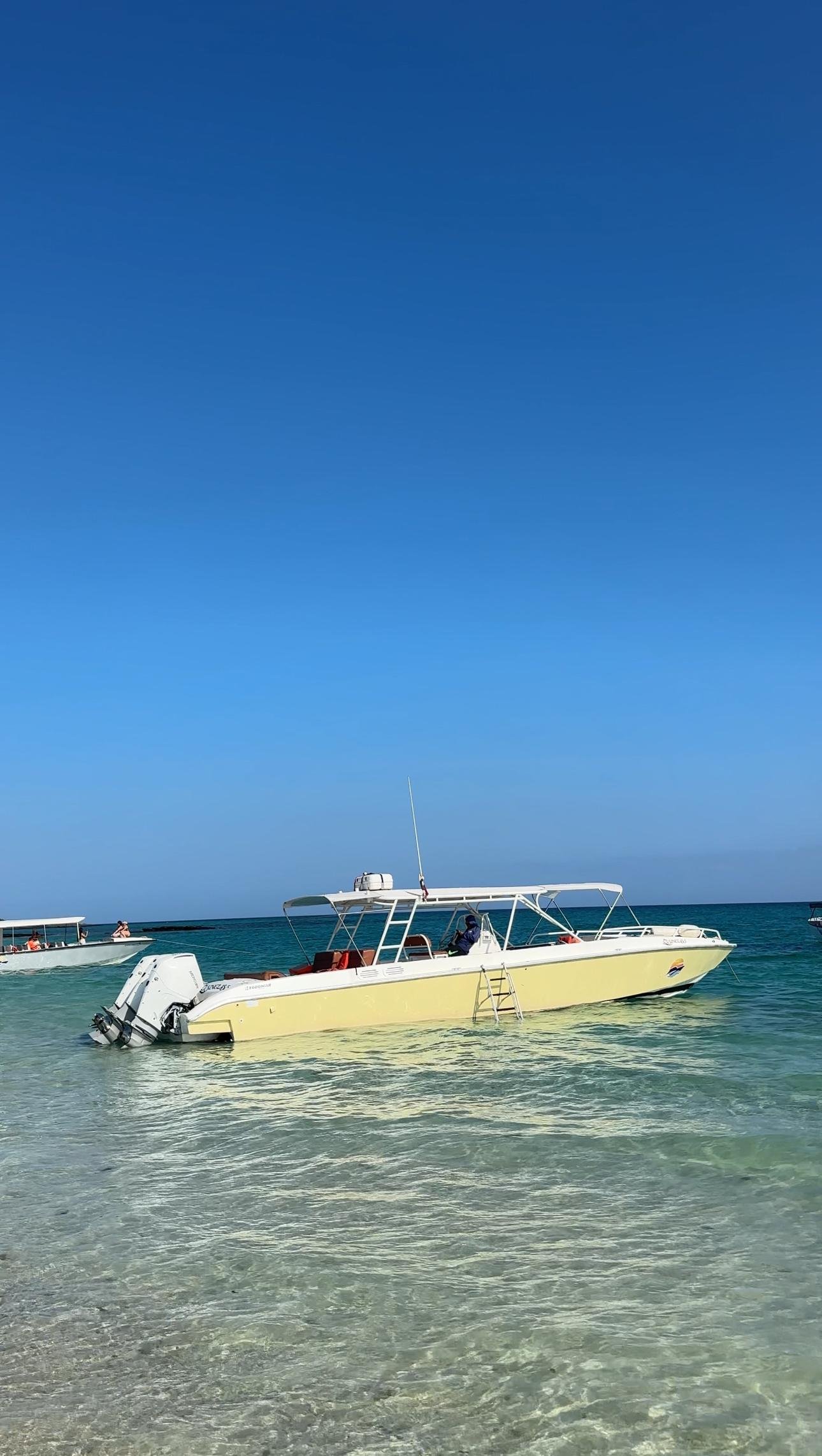
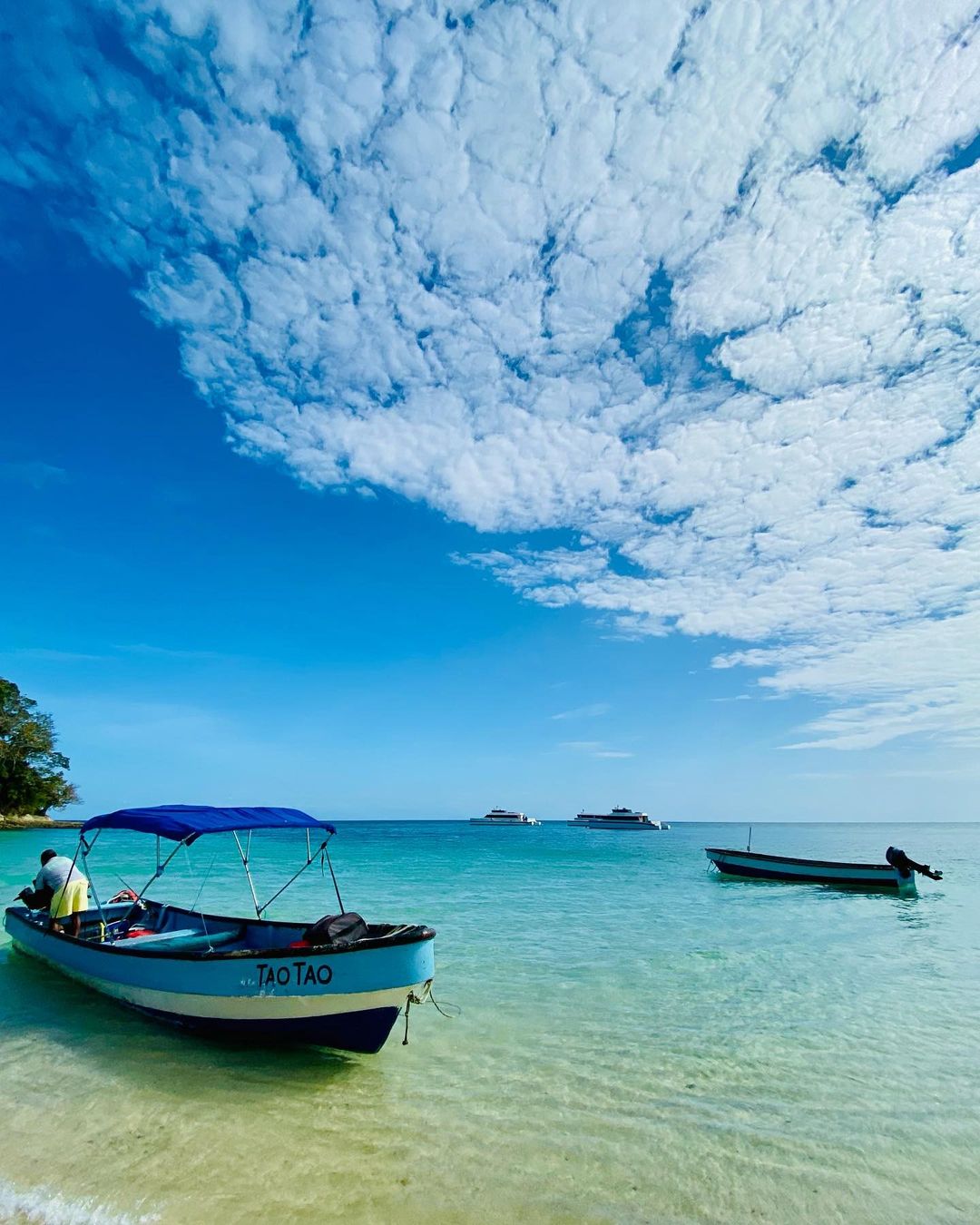
Position yourself on the sand near the water line to capture the vessel's departure against the backdrop of the Pacific horizon. This location is ideal for getting low-angle shots of the boat before you begin your las perlas whale watching experience.
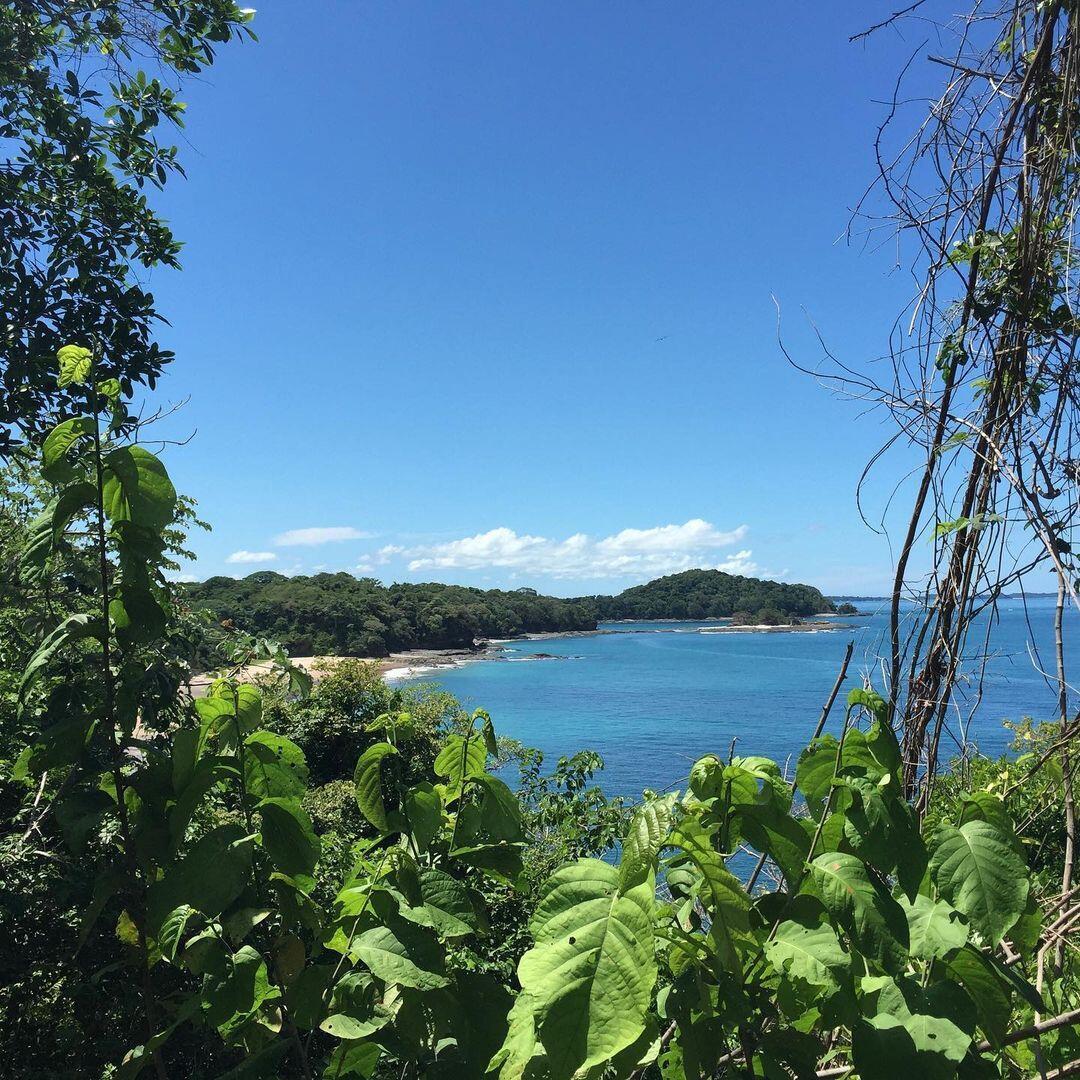
This elevated vantage point provides a wide perspective of the surrounding archipelago and the deeper channels where humpback whales frequently surface. Stand on the northern bluff to frame the blue water against the lush island greenery for your las perlas whale watching tours.
Request a position near the front of the boat to photograph surfacing whales with a clear, unobstructed field of vision. This is the most effective angle for documenting marine wildlife activity during a las perlas whale watching tour.
Utilize the open deck space to capture the vastness of the Gulf of Panama as the captain maneuvers toward known migration paths. Ensure your camera is ready for rapid movement when searching for dorsal fins, which is standard practice when using las perlas whale watching tickets.
Planning a trip to the Archipiélago de las Perlas involves managing long stretches at sea, which makes selecting a suitable las perlas whale watching vessel essential for families. Prioritizing marine safety and comfort ensures a smoother experience for children exploring the Gulf of Panama.
Boats used for these excursions are generally not equipped for strollers, so plan to carry infants or use a compact carrier. Navigating the docks and boarding ramps requires secure footing and agility from all participants.
Children aged six and older often handle the open-water boat travel best, as younger toddlers may find the motion challenging. Verify that your chosen las perlas whale watching tour provides appropriately sized life vests for your child's weight.
There are no baby-change stations or dedicated family restrooms available on most local vessels. Ensure your child uses the facilities on land at the departure point before boarding for your las perlas whale watching tickets.
The best arrival window is 06:30–07:30 to ensure timely whale sightings and smooth departures. Expect a full day on the water, so bring non-drowsy seasickness remedies recommended by your pediatrician for the transit to the archipelago.
Dining options near las perlas whale watching are concentrated on Contadora Island, where local eateries provide fresh seafood and tropical refreshments. While some las perlas whale watching tours include lunch, independent travelers should verify if their package provides sustenance or if they need to arrange meals at local hubs.
Known for casual dining and international dishes, this spot is ideal for a post-excursion dinner. It is a popular choice for those finishing their las perlas whale watching tour in the late afternoon.
This local favorite serves traditional Panamanian plates and fresh catches from the Gulf of Panama. It offers a relaxed atmosphere perfect for discussing your marine mammal sightings.
A charming venue offering light snacks and beverages, providing a convenient stop before picking up las perlas whale watching tickets. Their outdoor seating area is well-suited for a morning coffee.
Everything you need to know for your journey
The attraction operates on Saturdays and Sundays from 06:30 to 17:30. Check-in for las perlas whale watching is recommended at 06:30.
There is a 0 USD entrance fee; however, you must book a commercial las perlas whale watching tour to access the water.
The peak season for las perlas whale watching occurs between July and September when Humpback whales migrate to the Gulf of Panama.
Families are welcome on most las perlas whale watching tours, provided children are supervised and follow safety instructions.
You are encouraged to bring snacks and water on your las perlas whale watching excursion, provided you keep the area clean.
Most las perlas whale watching tours depart from Panama City marinas; check your booking for specific dock details.
Photography is highly encouraged during your las perlas whale watching experience, but drones are prohibited.
Refunds for las perlas whale watching tickets depend on the specific operator's policy; cancellations due to weather are generally fully refunded.
Restroom facilities on las perlas whale watching vessels vary by boat size; inquire at booking to confirm your specific craft amenities.
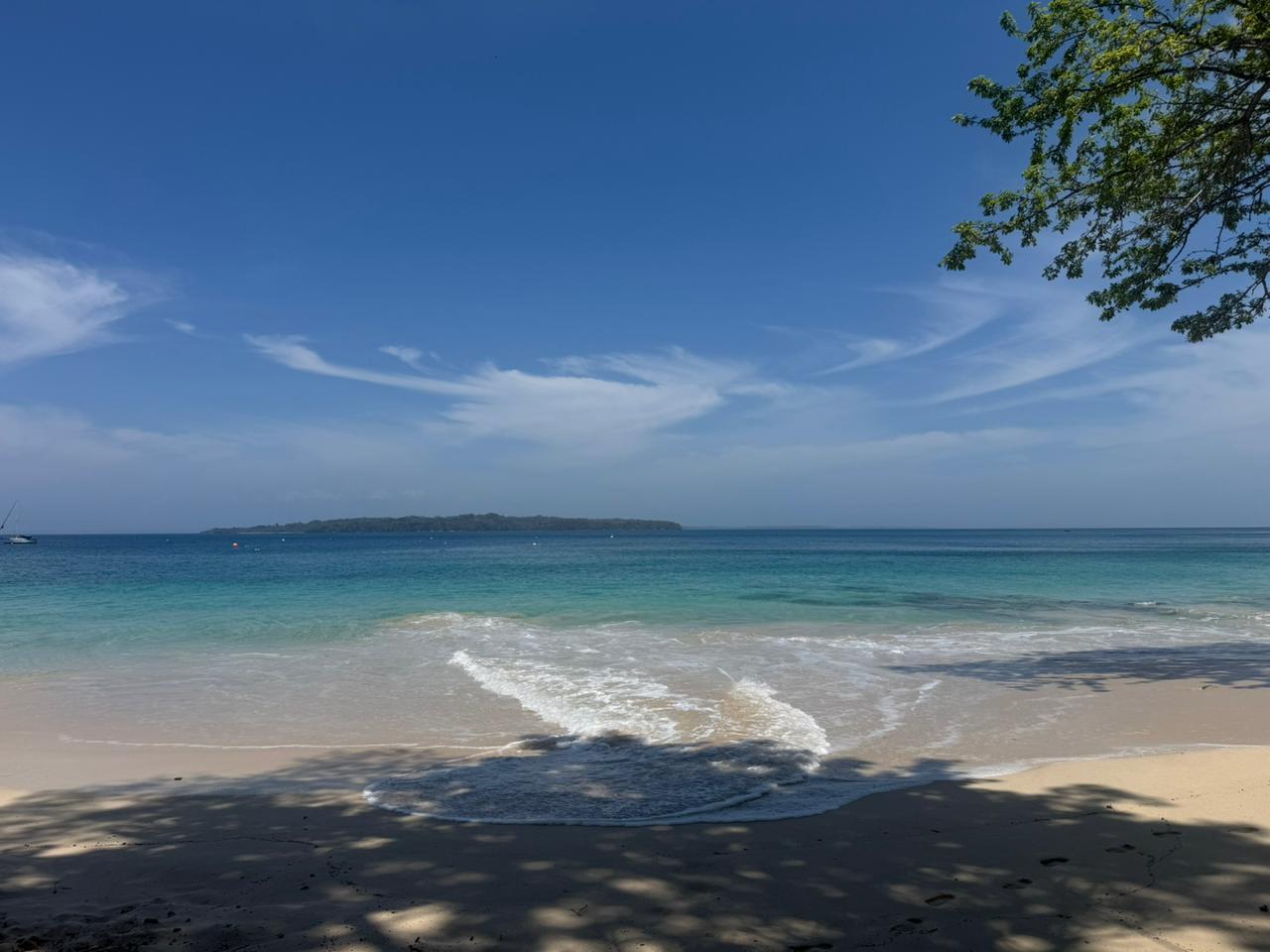
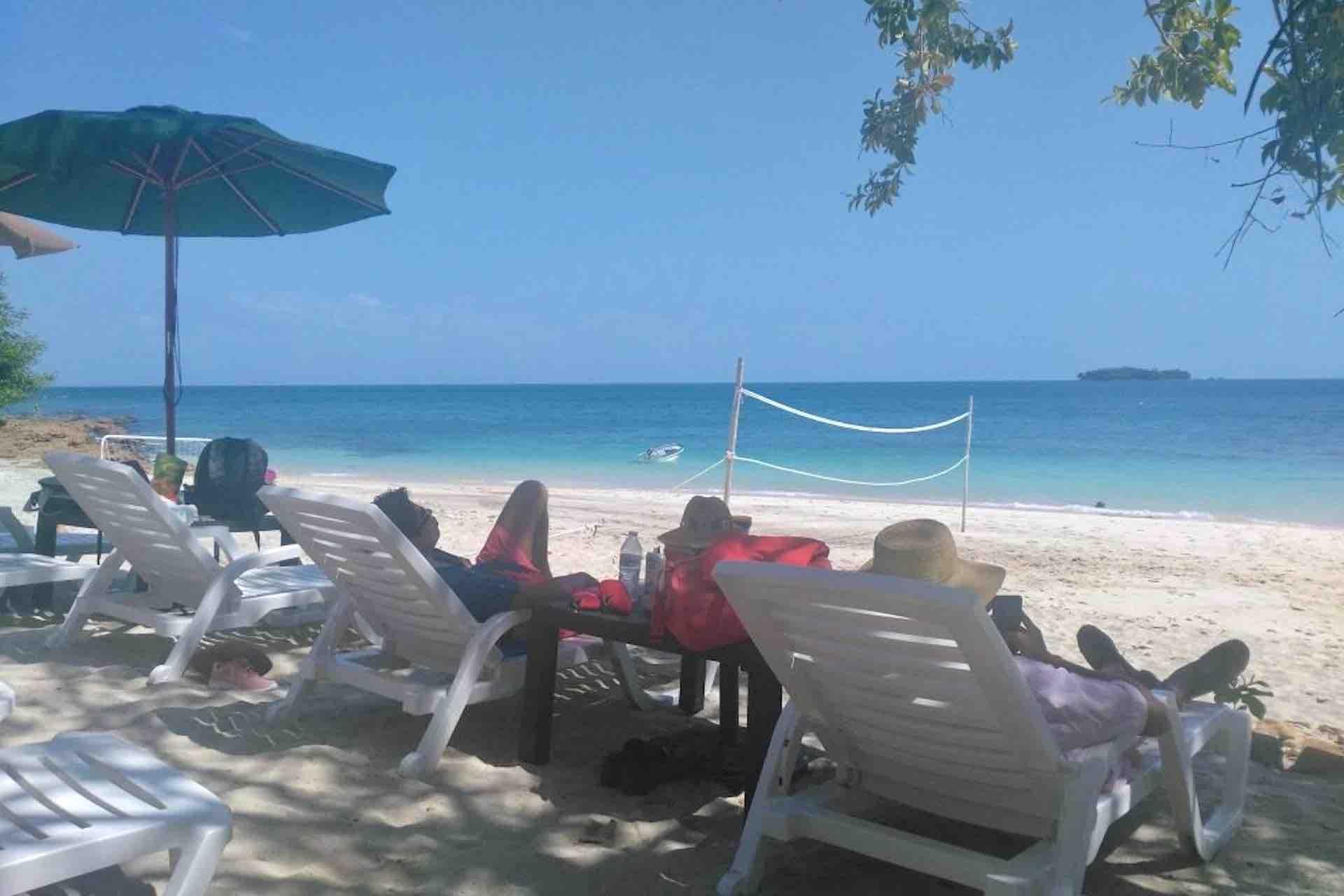
A quiet stretch of sand suitable for relaxing after your morning tour.
High-end island stay with coastal views.
Join thousands of happy travelers who have discovered this incredible experience
Book Your Experience Now