

Quick answer
Pearl island panama whale watching runs July through October, when humpback whales migrate through Panamanian Pacific waters to calve and nurse. Tours depart daily from Flamenco Marina on the Amador Causeway between 06:00 and 17:00, with boat operators recommending a 06:30–07:30 departure window to maximize offshore time during peak activity hours. Sightings peak in August and September when pod density is highest along the archipelago's western shelf.
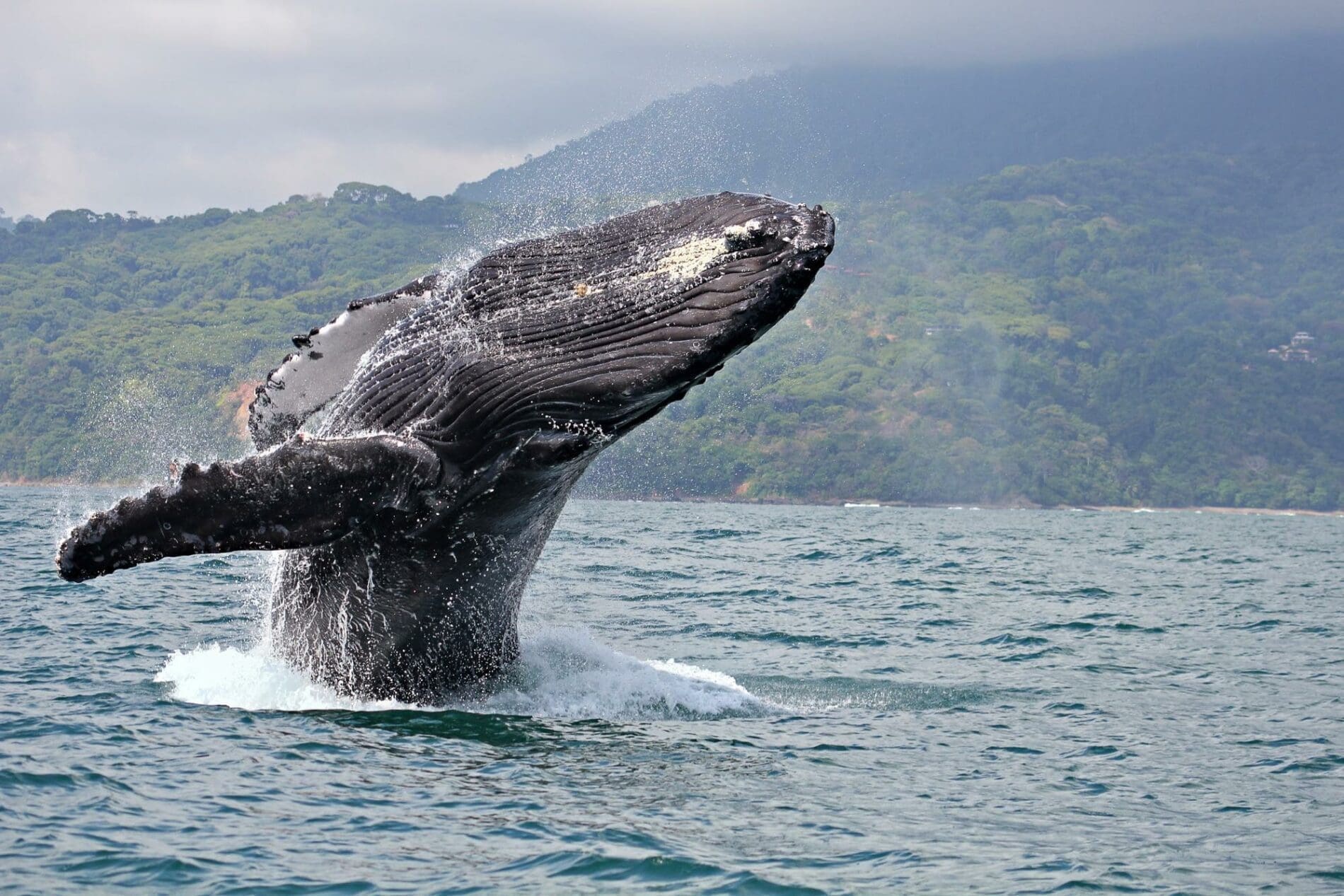
Humpback whales travel more than 8,000 kilometers from Antarctic feeding grounds to the warm shallows off Panama's Pacific coast, and the Pearl Islands mark one of the few archipelagos where that journey becomes reliably visible from small vessels. Between late June and early November, pods rest, breach, and nurse calves in the protected waters west of Contadora and south of Saboga, turning a boat ride originally bound for snorkeling or island transit into an unplanned cetacean encounter. Flamenco Marina on the Amador Causeway functions as the primary departure point. Boats leave throughout the operating window—06:00 to 17:00—but naturalist guides consistently recommend the 06:30 to 07:30 slot. Early departures beat recreational traffic, secure calmer sea conditions before midday chop, and align with the hours when humpbacks surface to breathe after overnight rest. The 90-minute crossing from Panama City to the outer Pearl Islands places vessels in sighting range by mid-morning, the statistical sweet spot for breaches and tail slaps recorded by marine monitoring teams. Pearl island panama whale watching differs from coastal observation in one critical dimension: proximity. The archipelago's volcanic drop-offs create deep channels close to shore, allowing whales to approach within meters of anchored boats. Captains cut engines when a pod surfaces, and passengers watch from stable platforms rather than distant cliffs. Calves practice breaching in full view, adults exhale plumes visible against the island silhouette, and pectoral fin slaps echo across the strait. Tour operators bundle whale watching with island stops—Contadora, San José, Saboga—but the marine segment dominates the itinerary during migration months, and most vessels adjust routes in real time when spotter networks radio coordinates. The season's brevity imposes a planning constraint. July marks early arrivals, August and September deliver peak activity, and by late October the majority of pods have begun their return journey south. Booking during the shoulder weeks of July or October increases the chance of clear seas but reduces encounter probability. September sits in the center of the window: schools are not yet in session for northern-hemisphere families, weather remains stable, and humpback density reaches its annual maximum along the Pearl Islands shelf.
“The archipelago's volcanic drop-offs create deep channels close to shore, allowing whales to approach within meters of anchored boats.”
When to Go for Pearl Island Panama Whale Watching
The peak season for humpback whale watching in the Pearl Islands occurs from July to October, when southern populations migrate to Panamanian waters to breed and calve. Early morning departures are essential to navigate calmer seas and maximize the time available for whale sightings.
July to October
Moderate to high24°C–30°C, rainy season
Humpback whales are active in the region during these months.
Weekday mornings
Low—
Early departures minimize boat traffic and provide optimal conditions for observing marine activity.
Peak migration months
High24°C–30°C, humid
August and September typically record the highest frequency of whale sightings.
Verdict: The best time to visit is during the peak months of August and September, specifically departing between 06:30 and 07:30 on a weekday.
Getting to Pearl Island Panama Whale Watching Tours
Whale watching tours for the Pearl Islands depart from Flamenco Marina, located at the end of the Amador Causeway in Panama City. This facility serves as the primary gateway for maritime transit to the archipelago.
Follow the Amador Causeway to its terminus at Flamenco Marina
Request transport to Flamenco Marina, Amador Causeway
Take the Casco Viejo-Amador bus route to the final stop
Operating Hours for Pearl Island Panama Whale Watching
The facilities at Flamenco Marina operate daily to support departures for whale watching in the Pearl Islands. Visitors should align their arrival with the recommended morning window to ensure sufficient time for boat boarding.
| Monday | 06:00–17:00 | |
|---|---|---|
| Tuesday | 06:00–17:00 | |
| Wednesday | 06:00–17:00 | |
| Thursday | 06:00–17:00 | |
| Friday | 06:00–17:00 | |
| Saturday | 06:00–17:00 | |
| Sunday | 06:00–17:00 |
Admission and Costs for Pearl Island Panama Whale Watching
There is no entrance fee required to visit the Pearl Islands. Expenses for whale watching excursions are limited to the cost of boat transit and guided tour services.
While island access is free, visitors typically pay for tour packages, with total costs depending on the chosen operator and level of service.
Checklist for Your Pearl Island Panama Whale Watching Trip
Prepare for an open-water boat trip with these essential steps.
-
Bring passport or government-issued ID — Required for marina access and tour operator records.
-
Confirm your booking 24 hours ahead — Ensures your seat and allows operators to adjust for weather or group size.
-
Pack reef-safe sunscreen and a hat — Direct sun exposure on the water is intense, and reef-safe formulas protect marine habitats.
-
Wear closed-toe water shoes or sneakers — Wet boat decks can be slippery during boarding and disembarking.
-
Take motion sickness medication 30–60 minutes before departure — Open-ocean swells are common; preventative timing is more effective than reactive dosing.
-
Carry a waterproof bag for electronics — Spray and splashing are inevitable during whale approaches and speed runs between islands.
Check availability
Frequently Asked Questions About Pearl Island Panama Whale Watching
Everything you need to know about pearl island panama whale watching