9 hr
Humpback Whale Watching & Las Perlas Islands
- Expert local guide
- Small group
- Skip-the-line access
- Free cancellation
Whale Watching Pearl Islands Panama — Humpback Encounters & Island Cruises
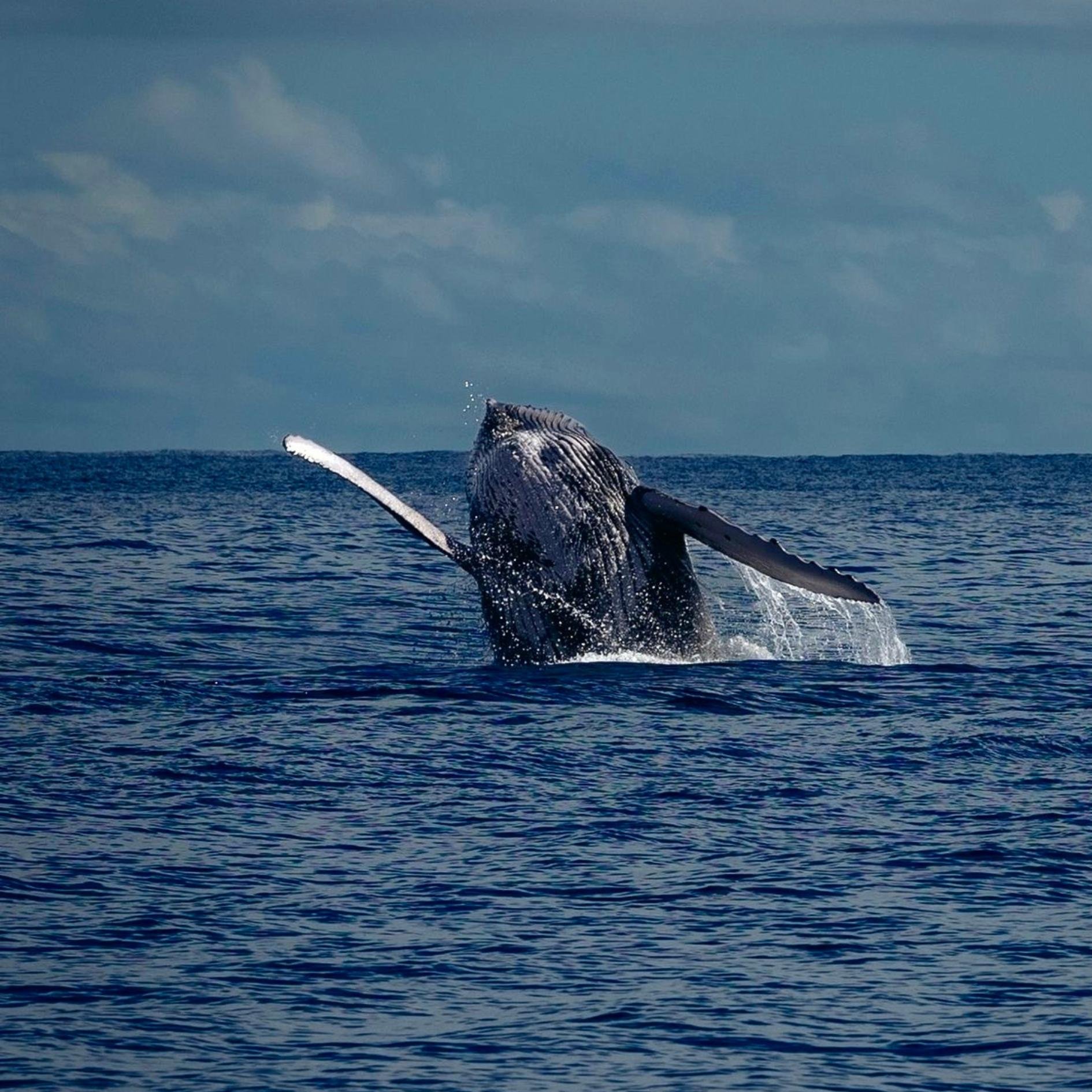
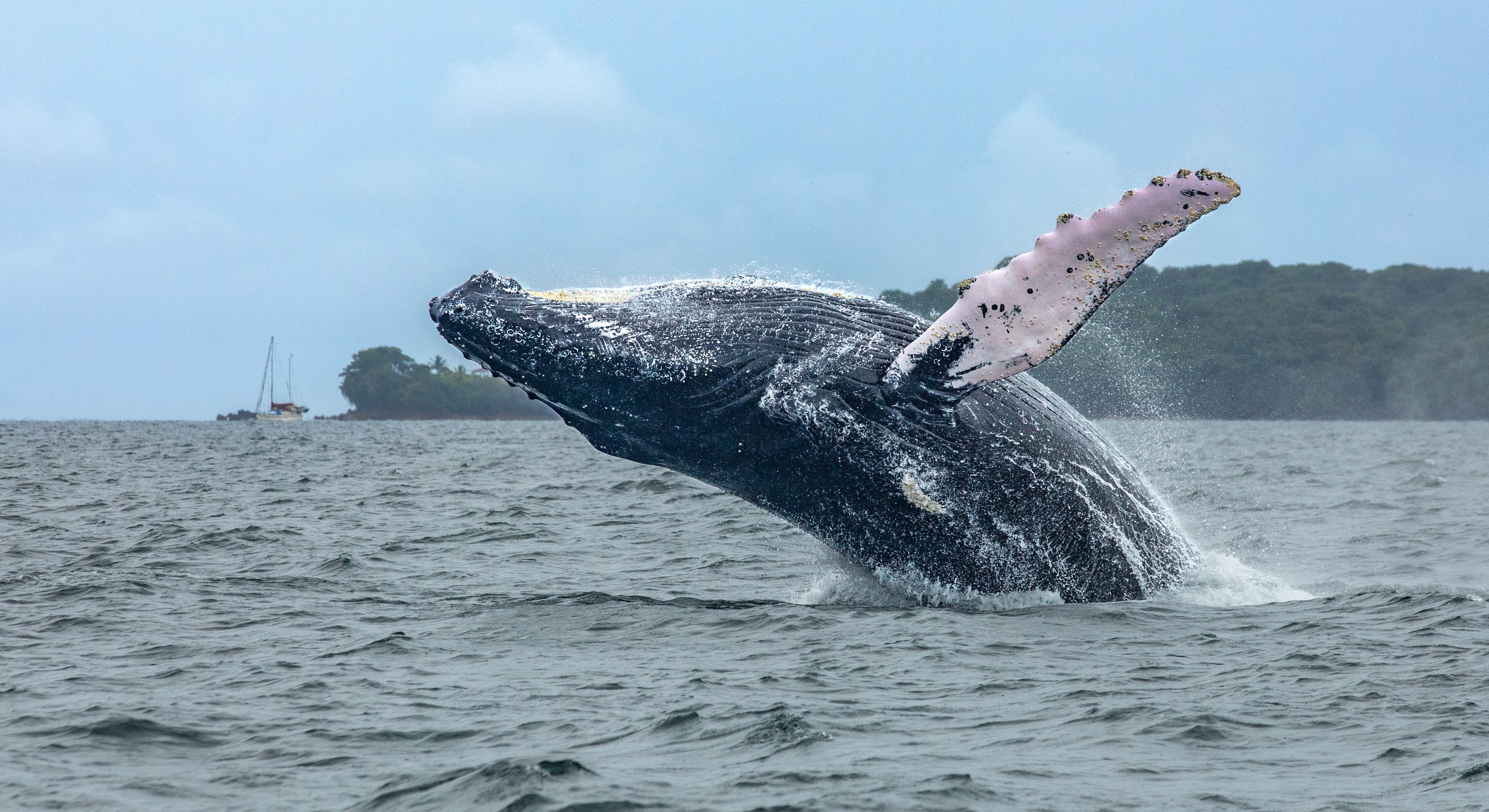
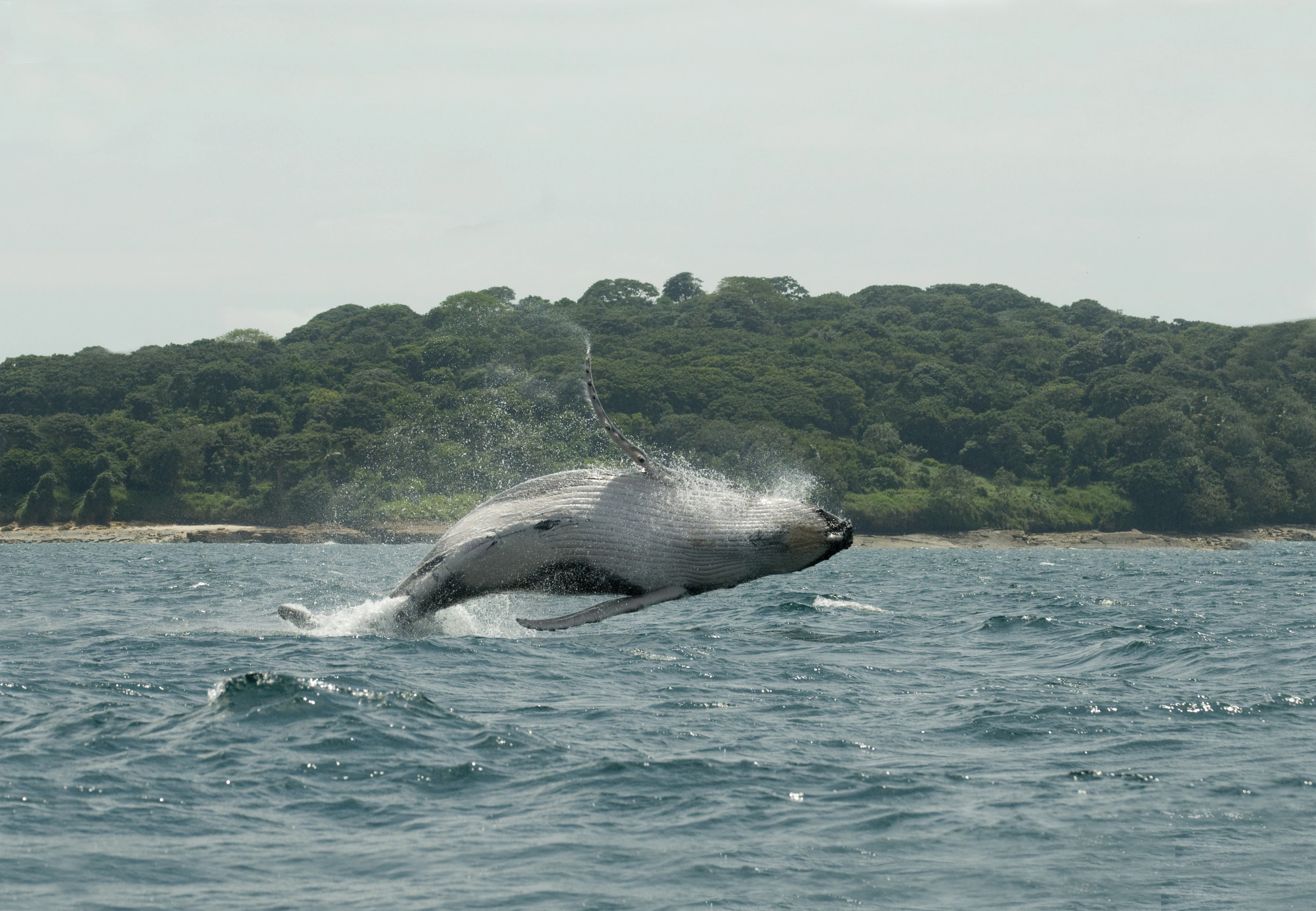
Pacific humpbacks breach between Contadora and Saboga, early departures claim the calmest seas
Compare fares, pick the fit — all bookings are mobile-voucher and eligible for free cancellation where shown.
9 hr
8 hr
9 hr
| Experience | Duration | Rating | Skip-the-line | Guide | Small group | Free cancel. | Price | |
|---|---|---|---|---|---|---|---|---|
|
Guided Experience
Most popular
Humpback Whale Watching & Las Perlas Islands
|
9 hr | ★ 4.6 | ✓ | ✓ | ✓ | ✓ | €130 | Book → |
|
Guided Experience
Las Perlas Archipelago Whale Watching & Island Experience
|
8 hr | ★ 5.0 | ✓ | ✓ | ✓ | ✓ | €142 | Book → |
|
Guided Experience
Las Perlas Archipelago Day Escape
|
9 hr | ★ 4.5 | ✓ | ✓ | ✓ | ✓ | €129 | Book → |
The Pearl Islands provide an immersive deep-sea experience, whereas Taboga serves as a convenient coastal alternative for those seeking shorter transit times. Whale watching pearl islands panama tours are best for deep-ocean enthusiasts, while the rival option caters to those preferring proximity to the mainland.
|
Top pick Pearl Islands |
Taboga Island | |
|---|---|---|
| Travel distance from Panama City | 30-50 miles | 12 miles |
| Open ocean exposure | High deep-water swells | Low coastal waters |
| Whale sighting probability | High due to migration routes | Moderate to low |
| Island land time | 4-6 hours | 3-5 hours |
| Typical vessel size | 40-50 foot motor yacht | 30-40 foot sport cruiser |
| Total trip duration | 7-9 hours | 4-6 hours |
| See tickets & prices |
Verdict: Choose the Pearl Islands for superior marine wildlife encounters, or select Taboga for a whale watching pearl islands panama tour variation that prioritizes shorter travel times over open-sea exploration.
Hand-picked experiences loved by thousands of travelers
6 hours
Free Cancellation
Watch humpback mothers teach their calves to swim, then snorkel turquoise reefs at a pristine island reserve
5 hours
Free Cancellation
Explore rainforest trails, cruise Gatun Lake, and meet wild monkeys on this comprehensive nature adventure
5 hours
Free Cancellation
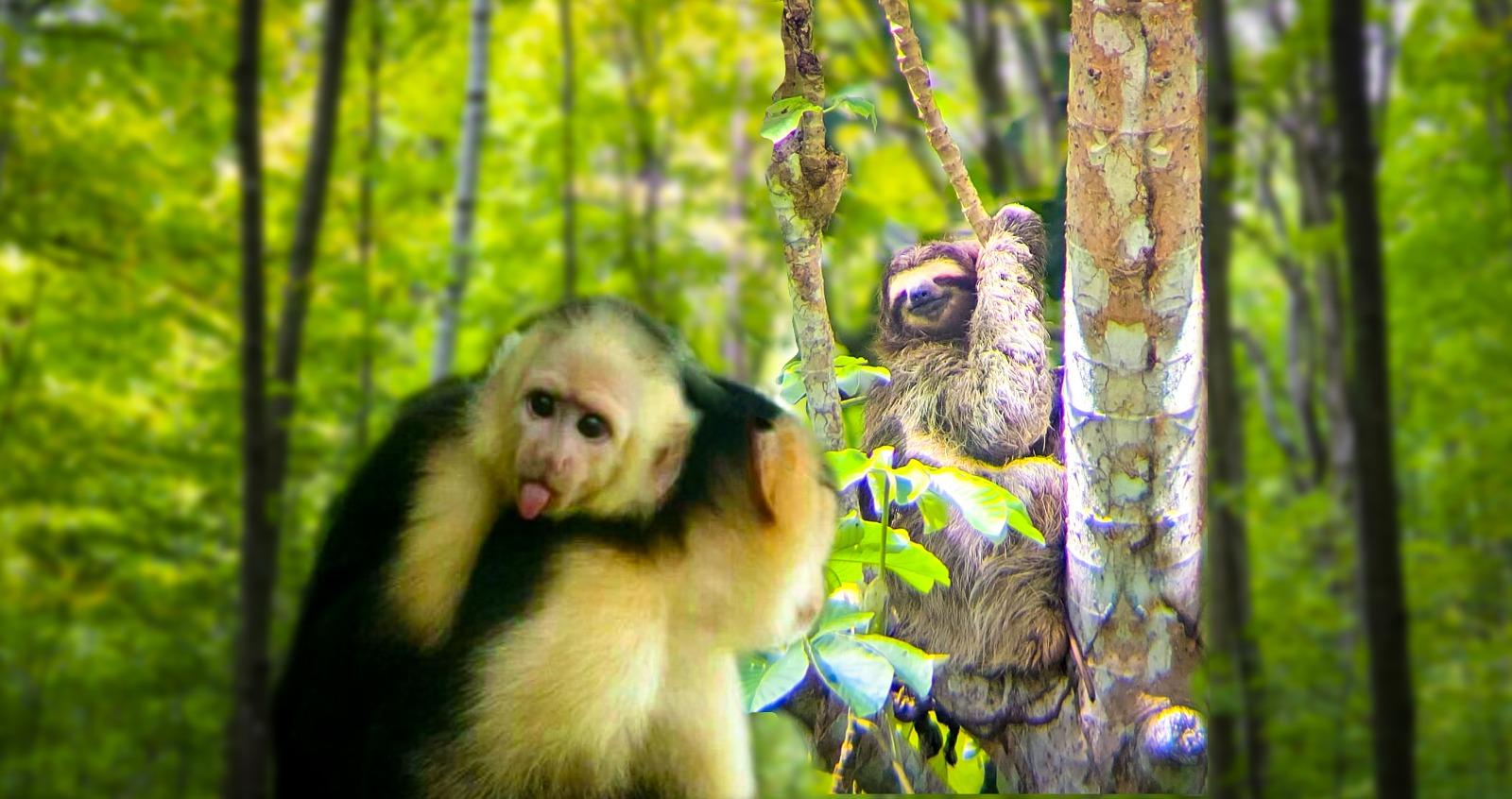
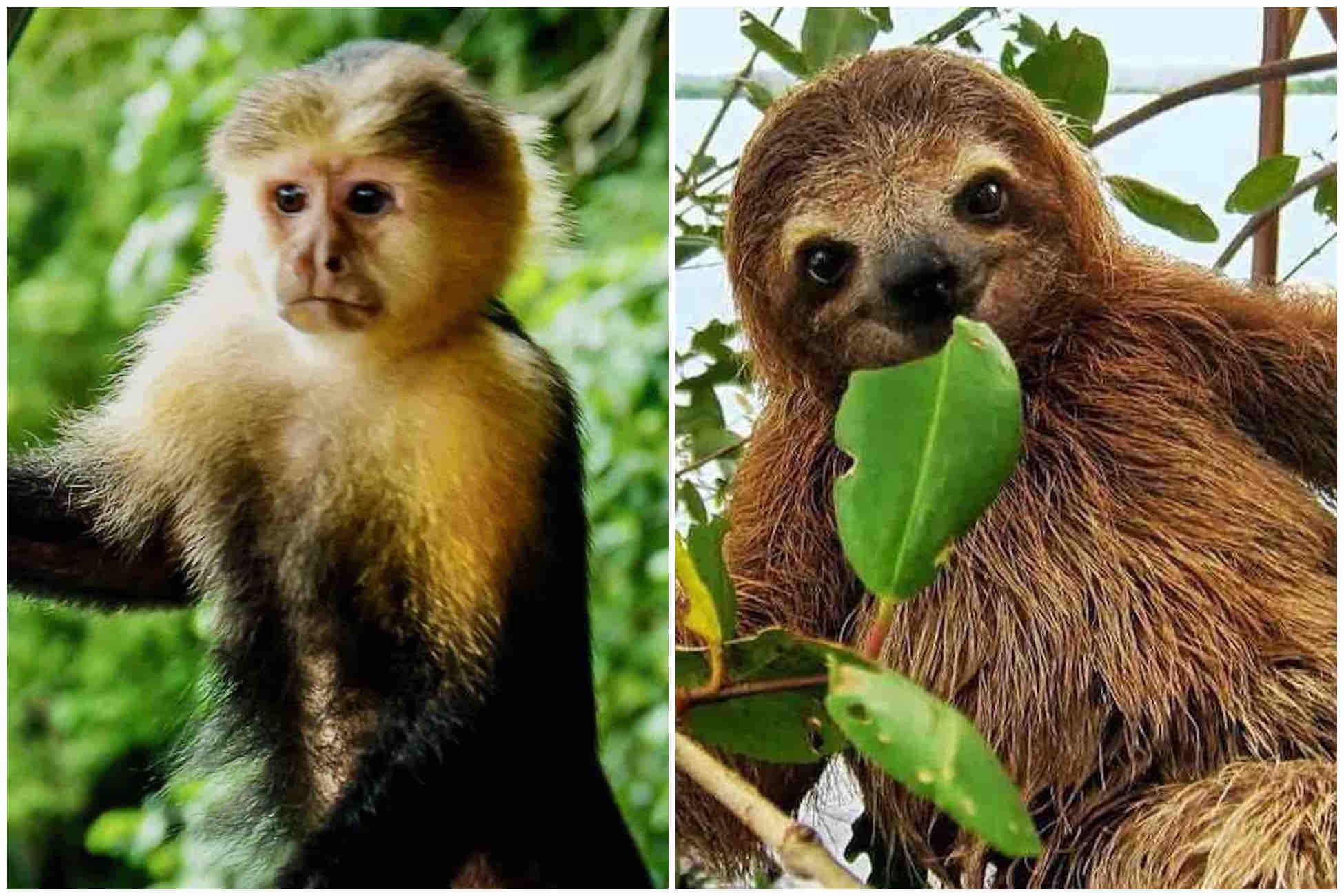
Speed past cargo ships on Gatun Lake, spot monkeys and sloths, then hike a rainforest trail in Gamboa
4.5 hours
Free Cancellation
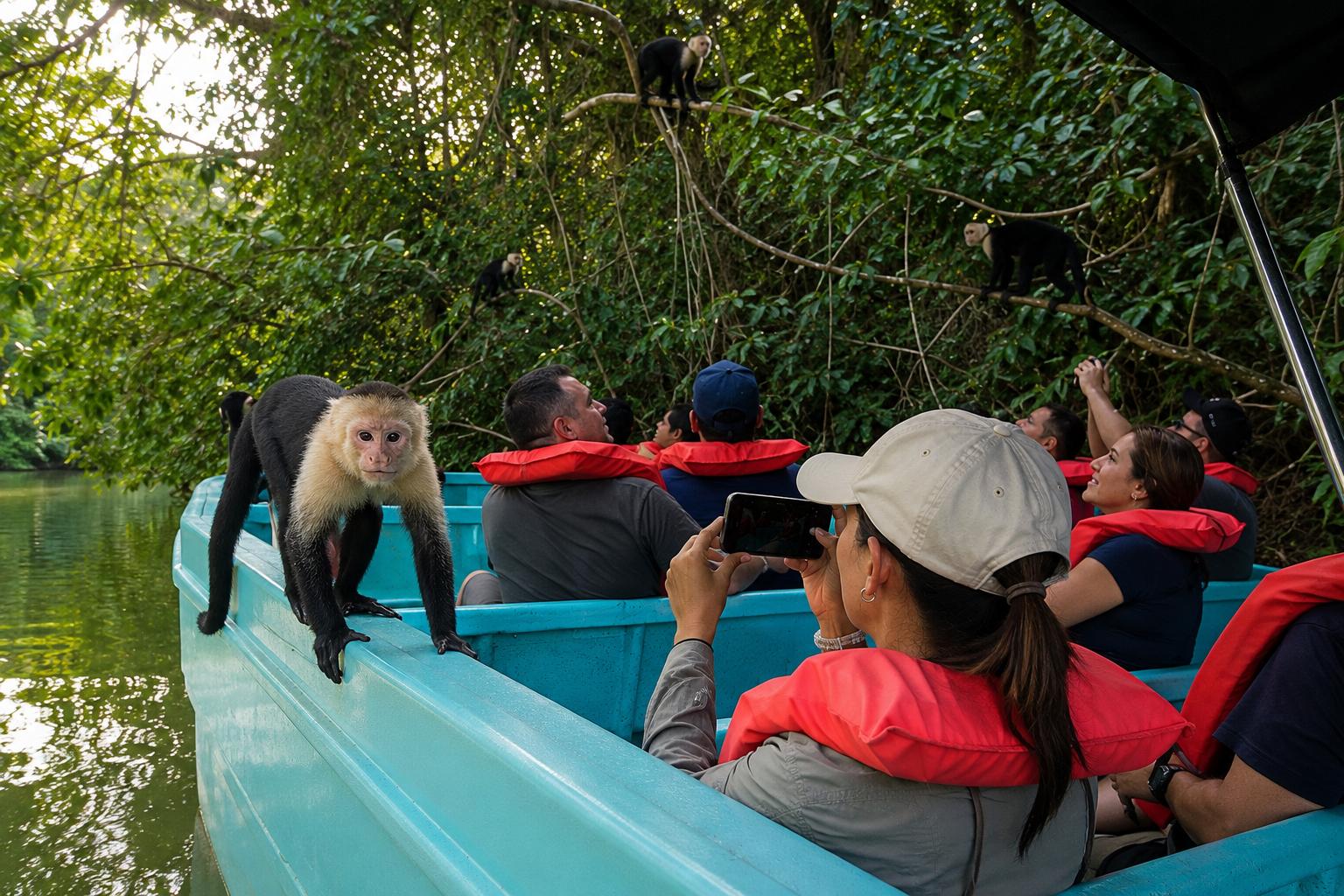
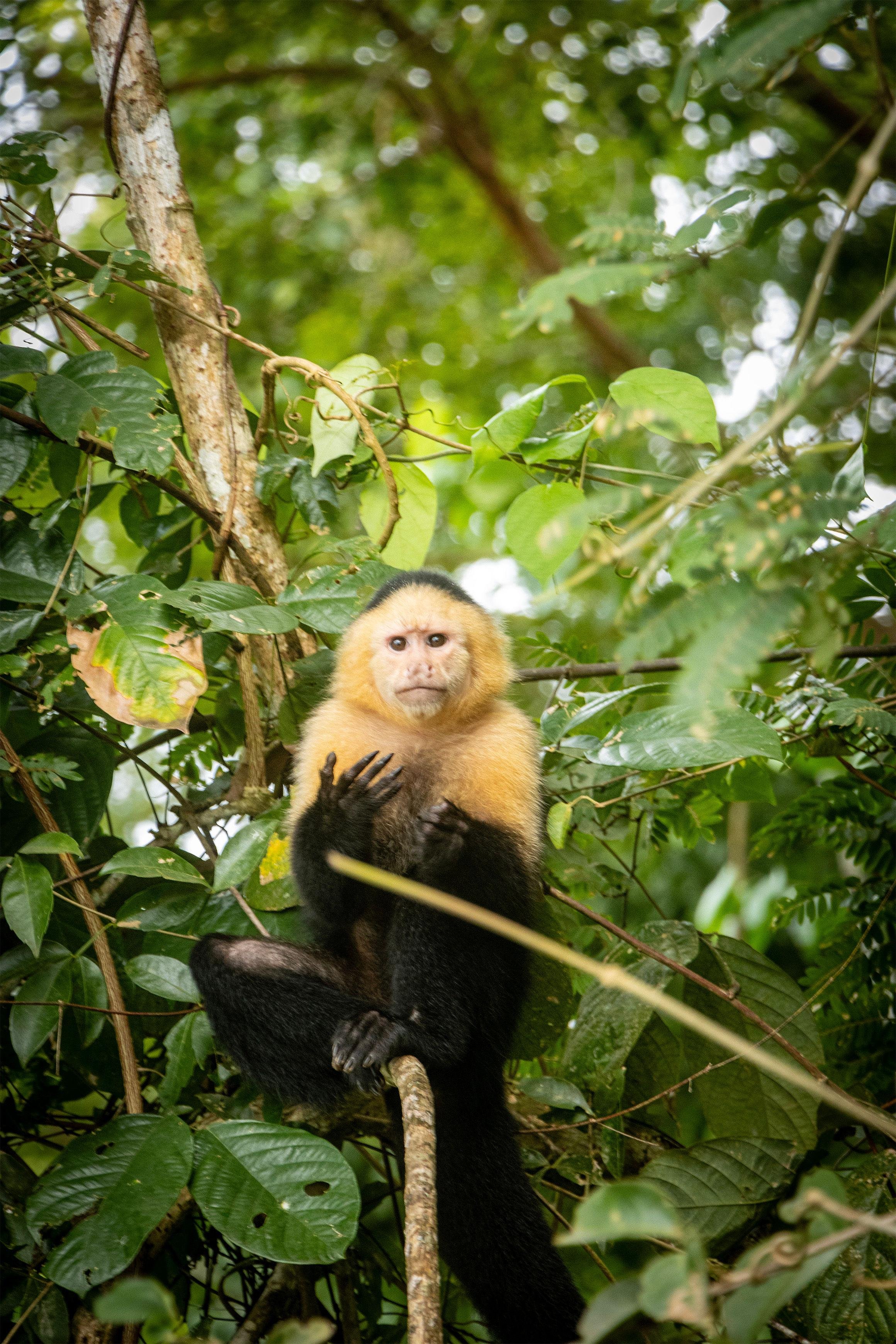
Cruise past jungle islands to meet capuchins, howlers, and tamarins in their rainforest habitat
5 hours
Free Cancellation
Navigate the Panama Canal by boat, encounter wild monkeys, meet rescued sloths, and explore tropical gardens
14 hours
Free Cancellation
Discover four Caribbean islands, snorkel a sunken ship, and savor a traditional lunch in paradise
1 day
Free Cancellation
Escape to turquoise waters, secluded beaches, and vibrant coral reefs across four stunning Caribbean islands
6 hours
Free Cancellation
Six-hour voyage through iconic locks from Gamboa to Panama City with onboard meal included
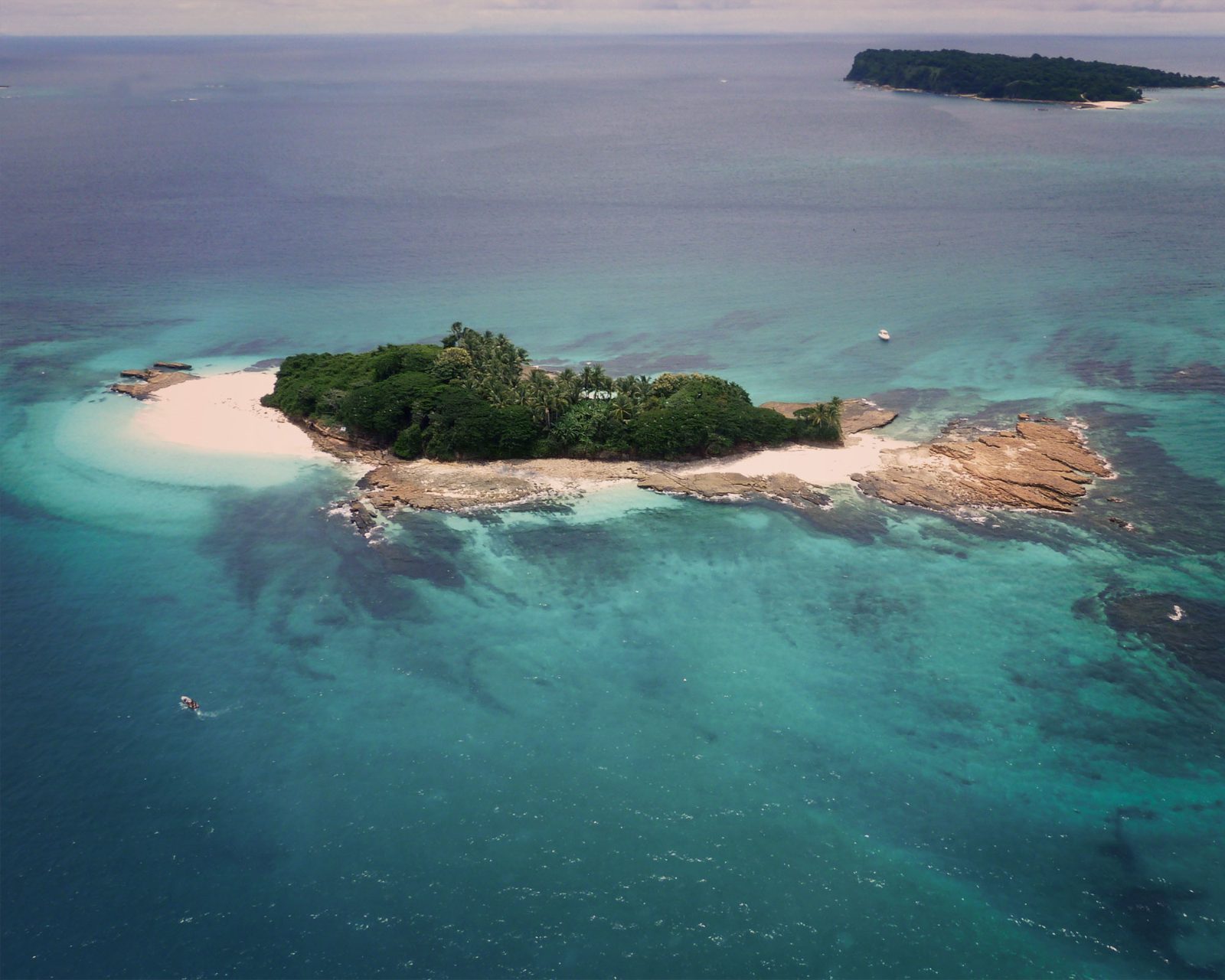
This undeveloped island offers pristine white sands and is often used for relaxation and snorkeling during tour stops.
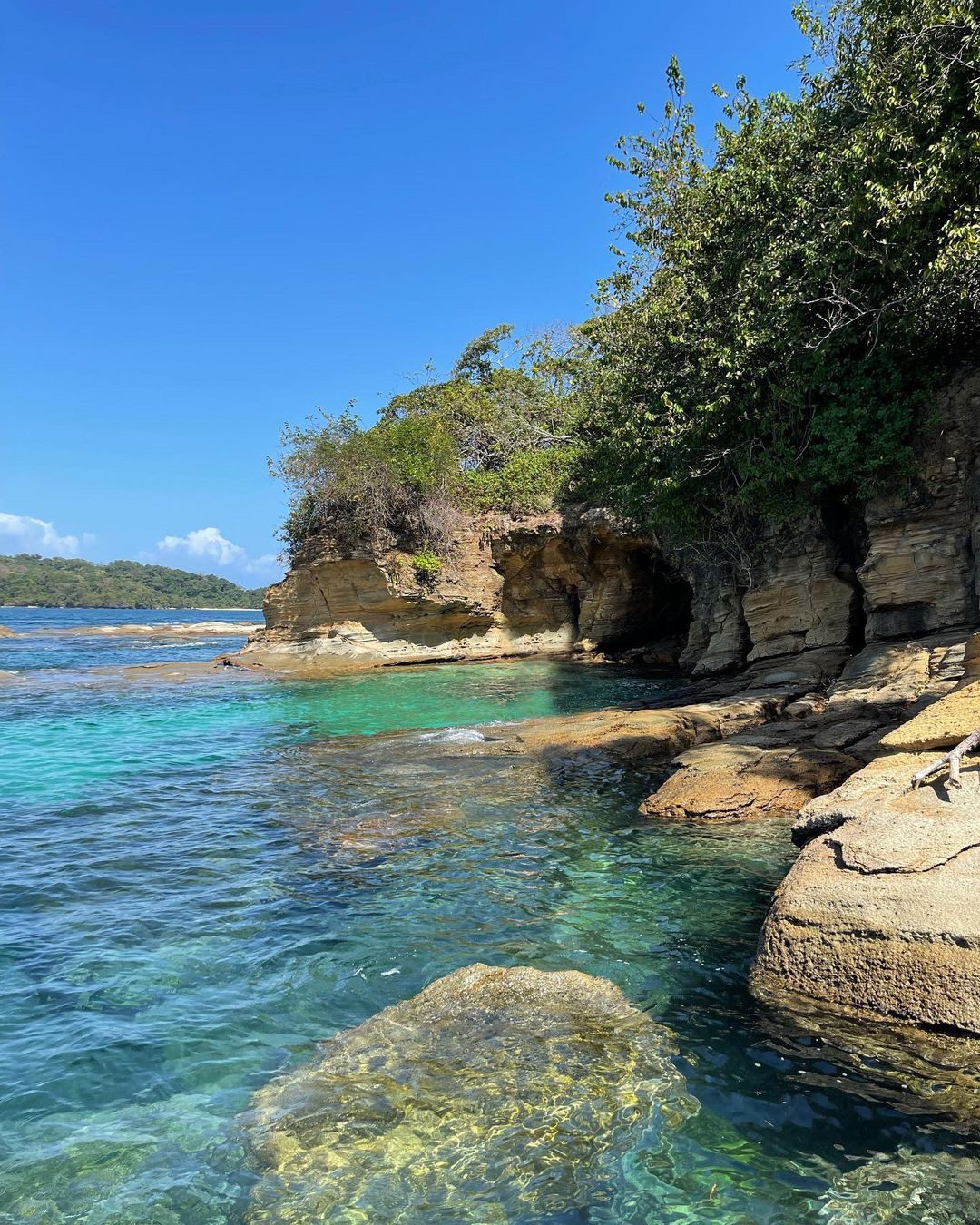
Known for its natural beauty, this island provides a secluded environment to observe local birdlife and enjoy the Pacific waters.
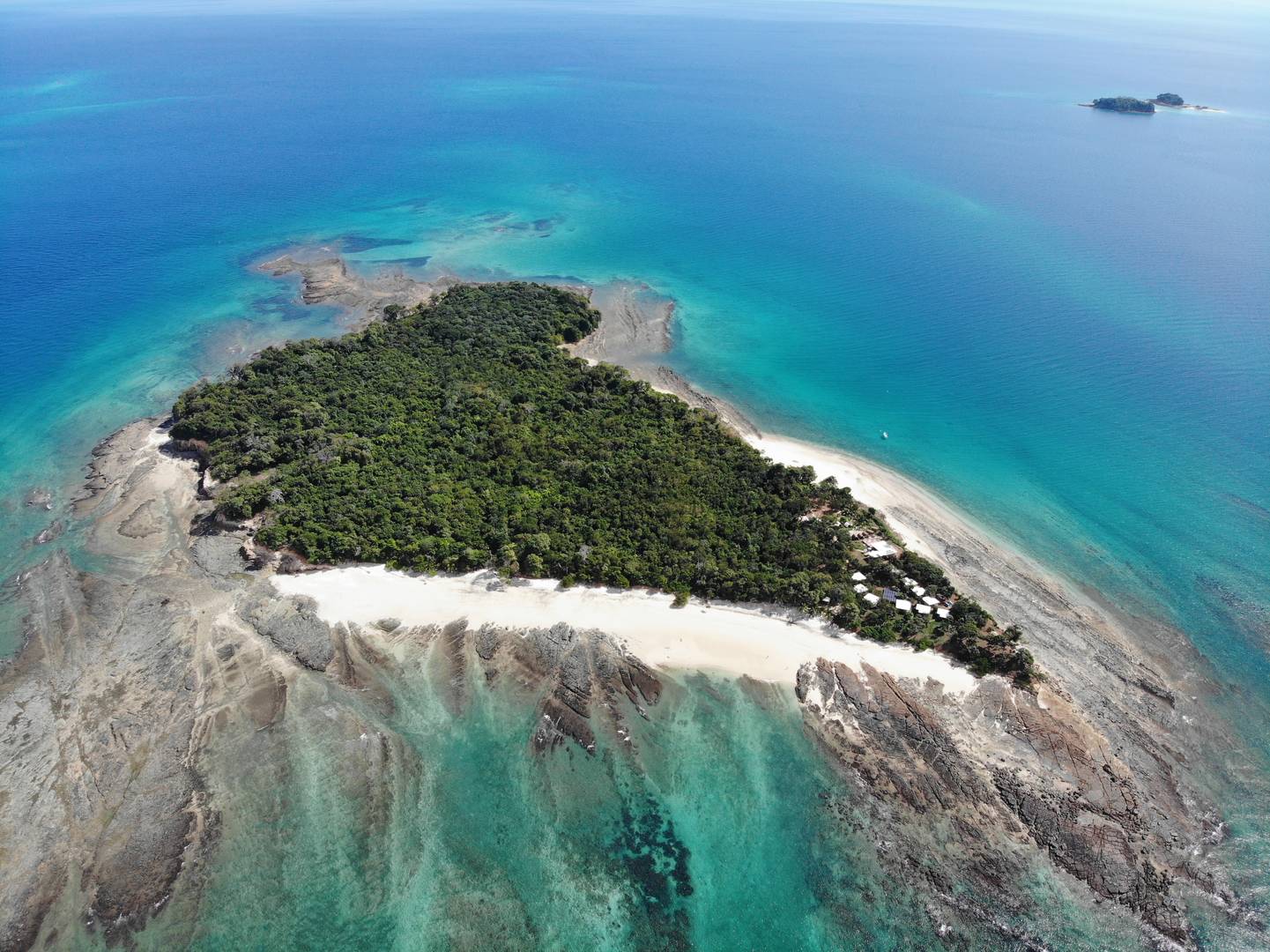
Featured in media, this island is a popular stop for swimming and exploring remote beach environments.
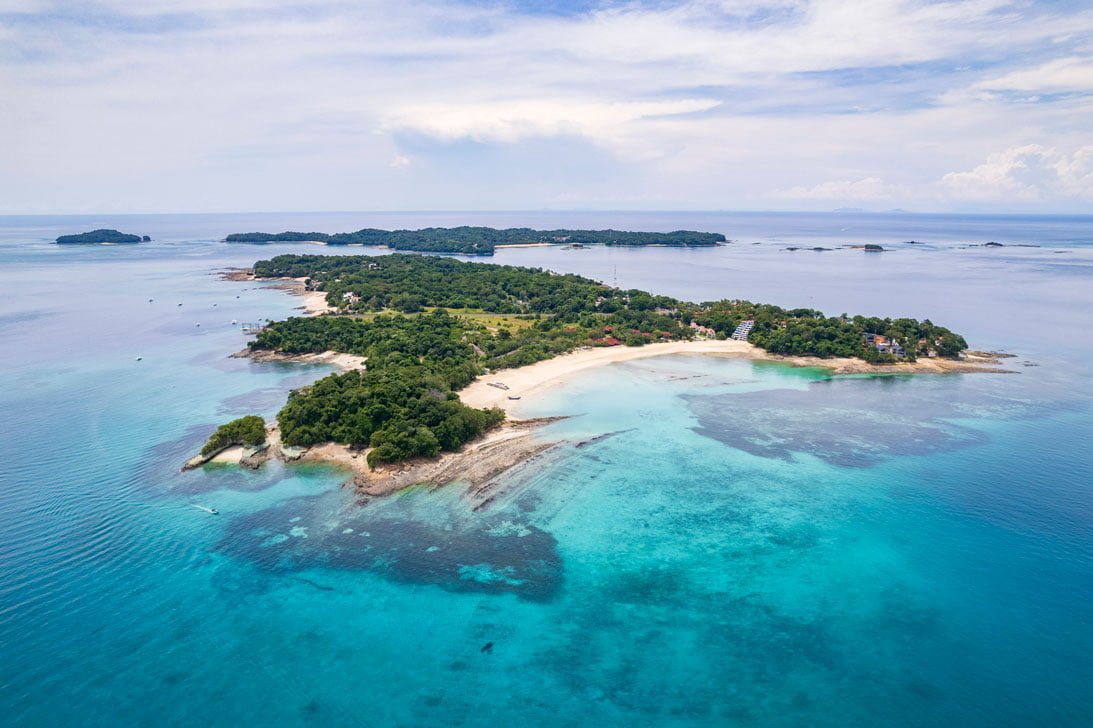
The primary hub of the archipelago, offering various amenities, restaurants, and historical points of interest.
A beautiful private island often used for lunch and beach access on full-day maritime tours.
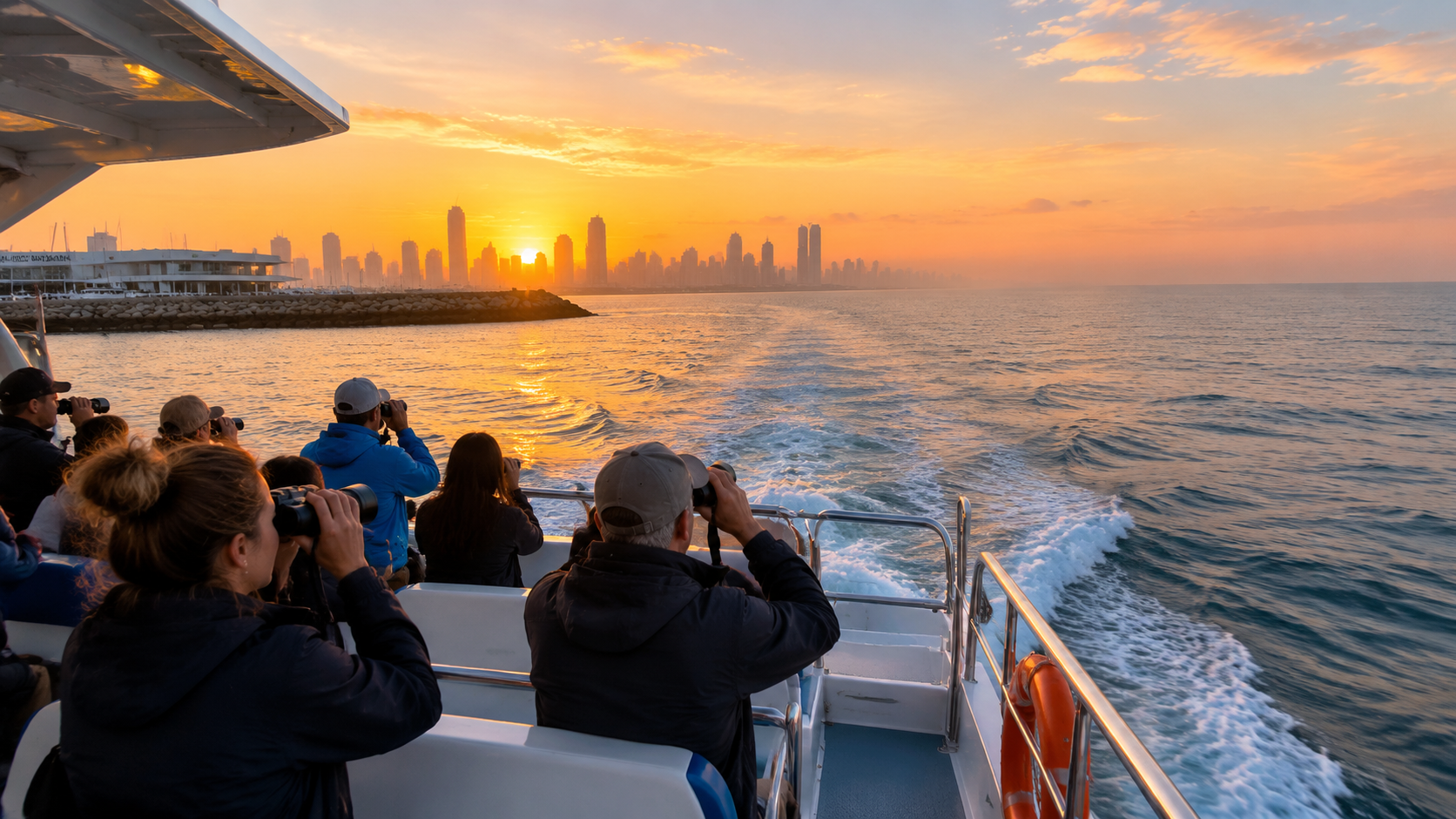
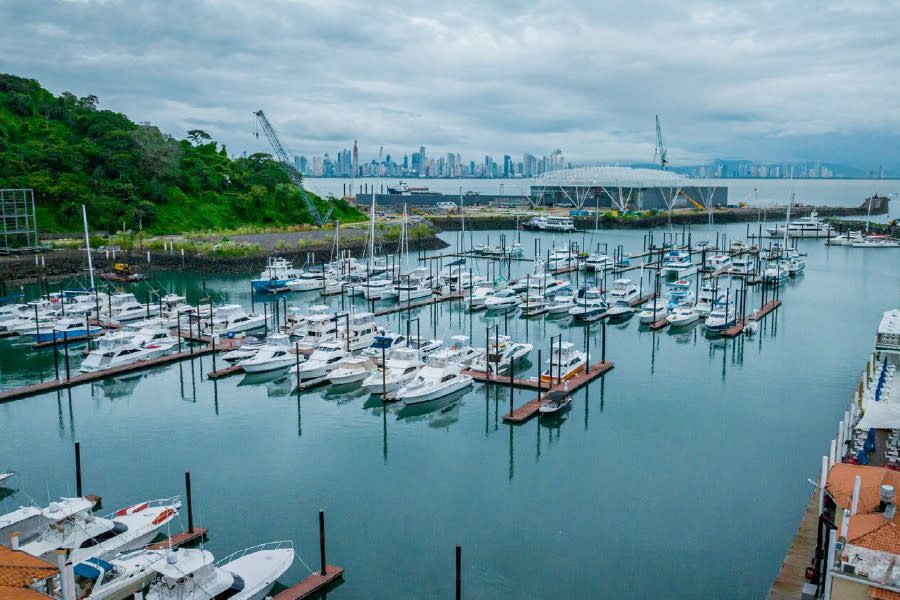
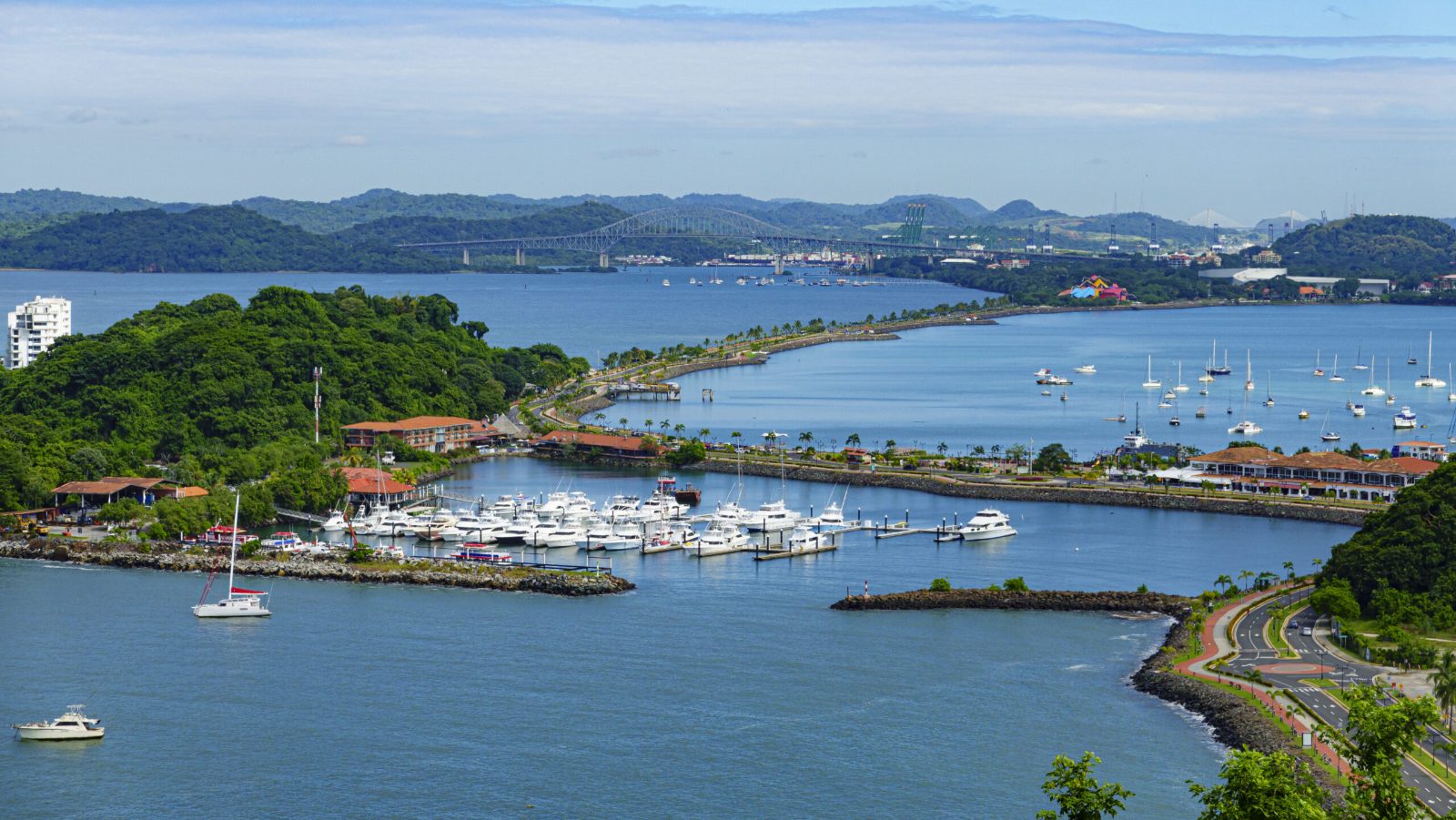
You board at Flamenco Marina before sunrise, when Panama City's skyline still glows orange across the causeway. The twin-engine catamaran clears the breakwater at 06:15, and within minutes the city dissolves into haze as the boat pushes southeast into open Gulf waters. The crossing takes 90 minutes.
You pass cargo ships queued for the canal, then the water deepens to indigo and the swells lengthen. Contadora's green hills appear on the port bow, and the captain throttles back near the Saboga channel.
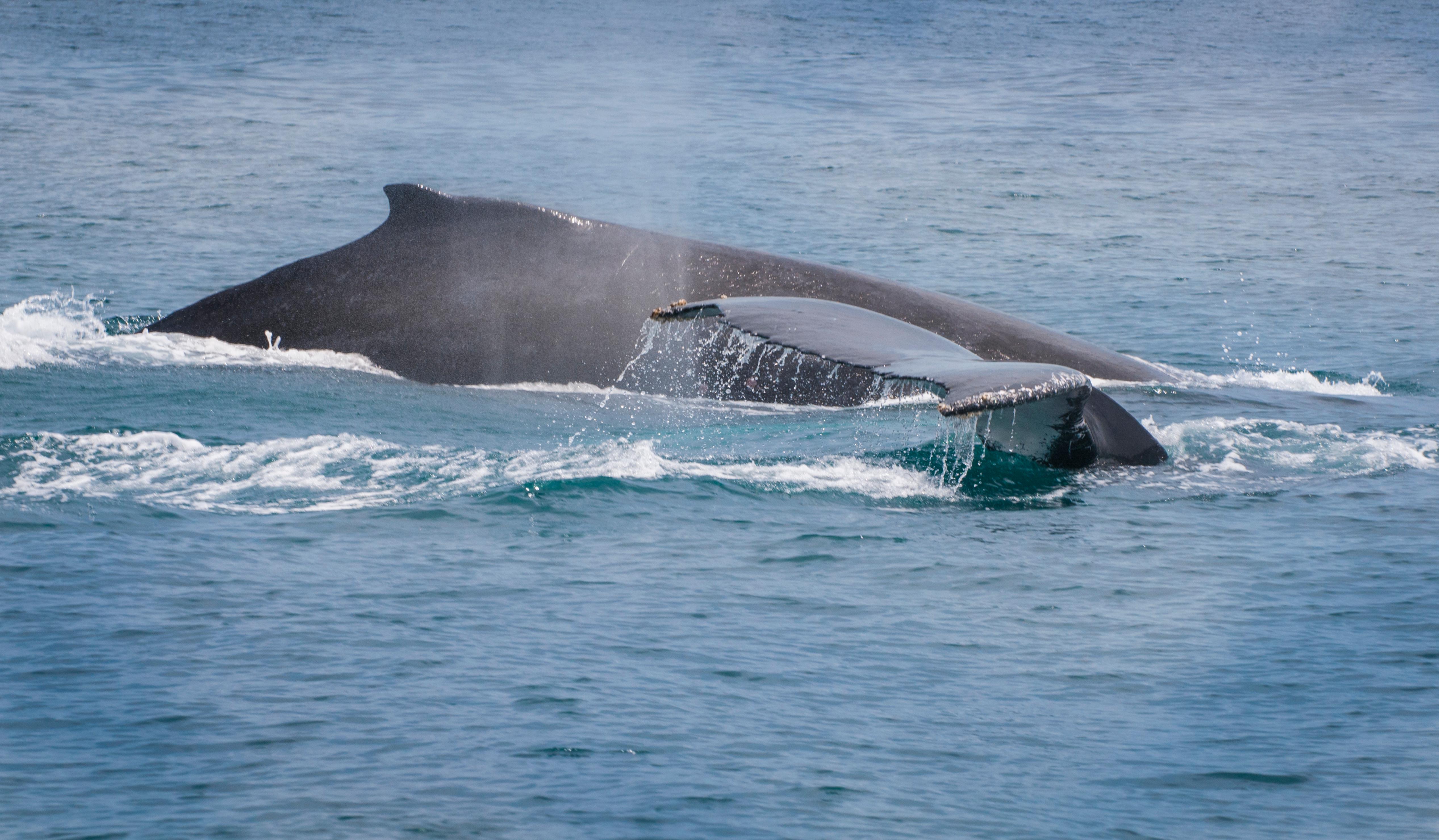
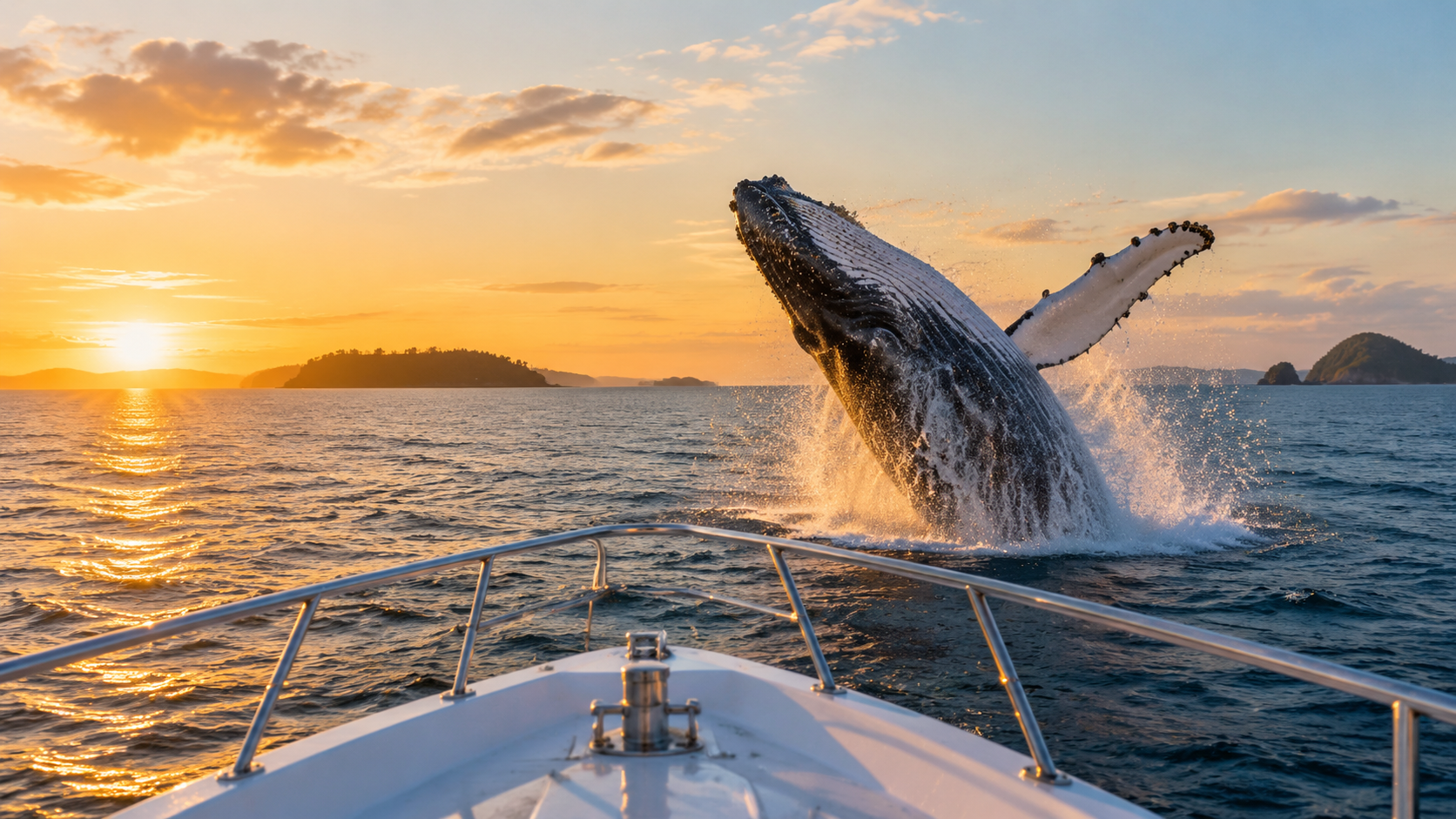
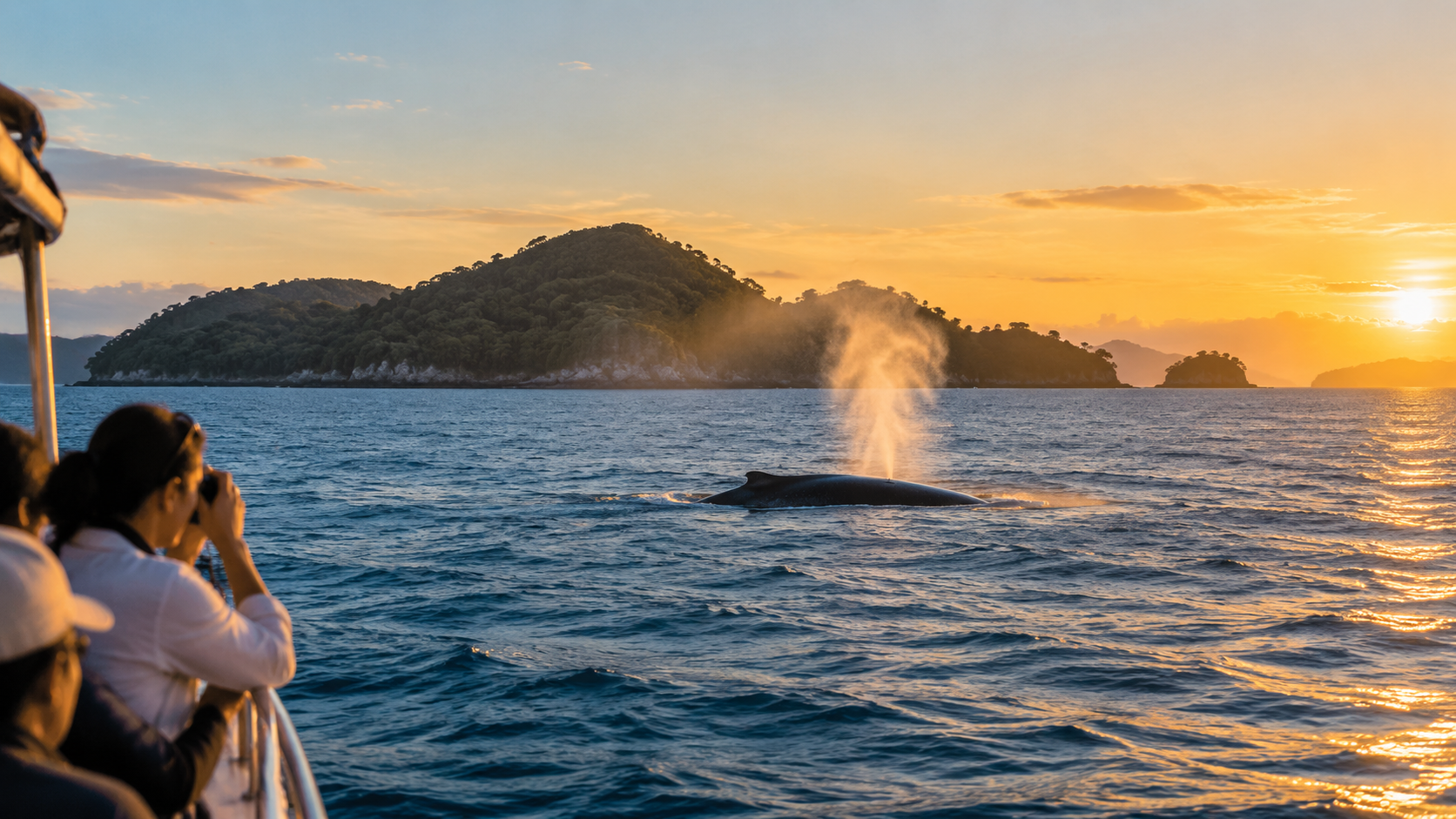
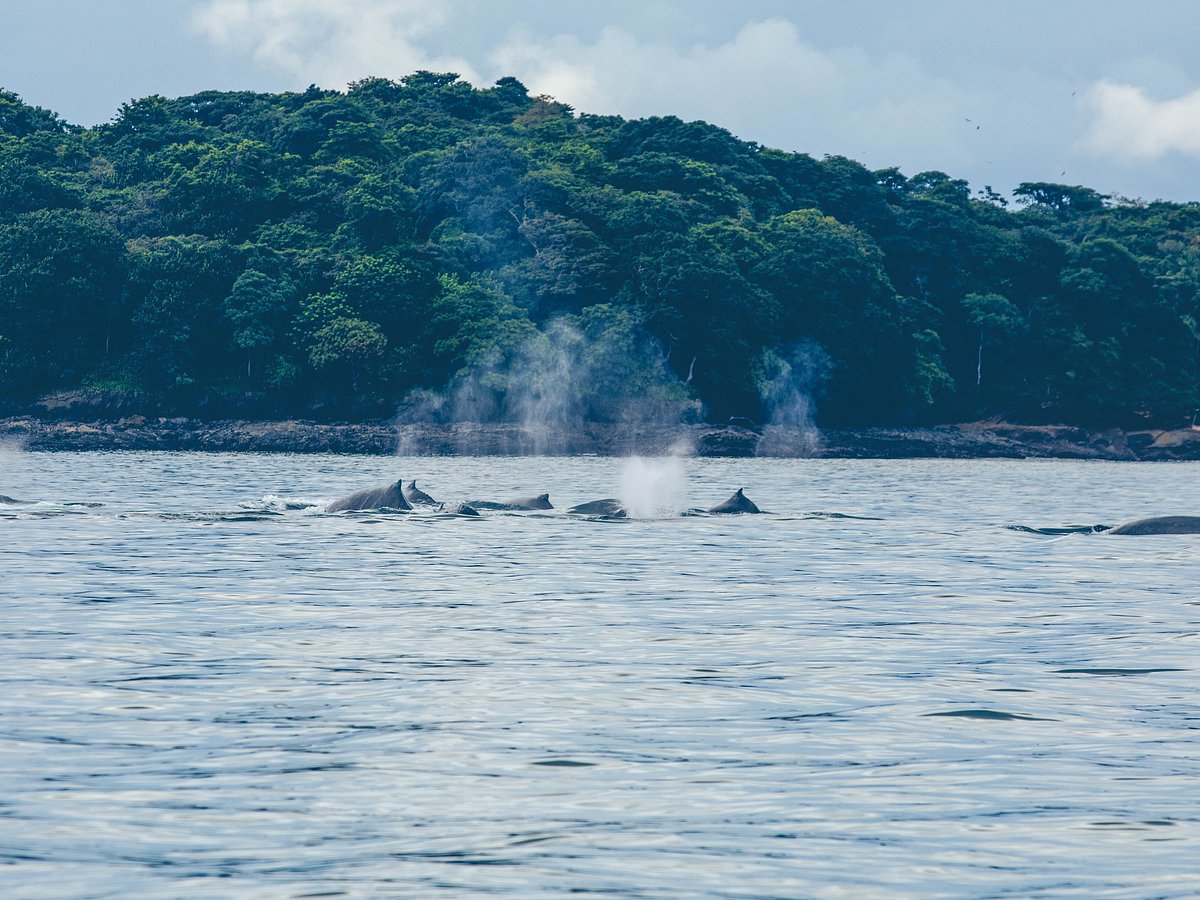
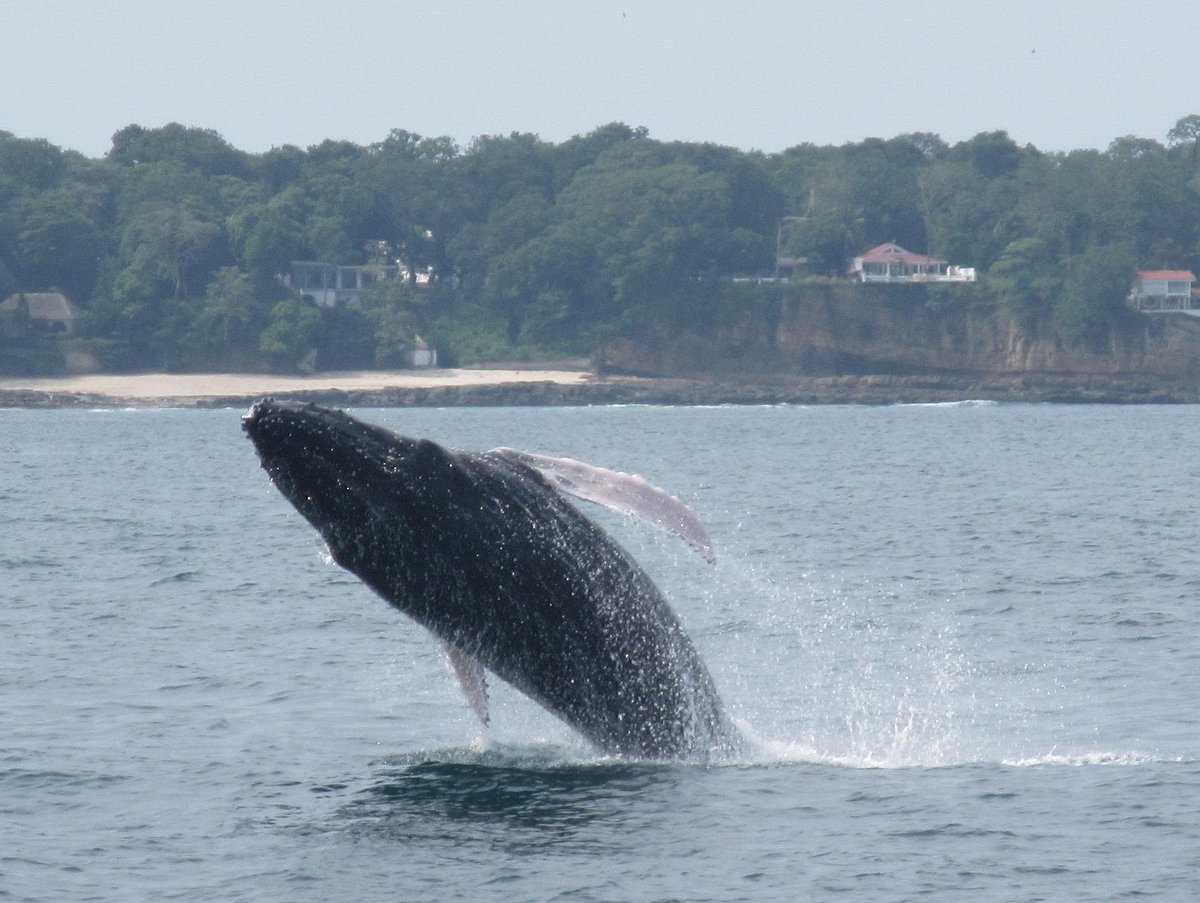
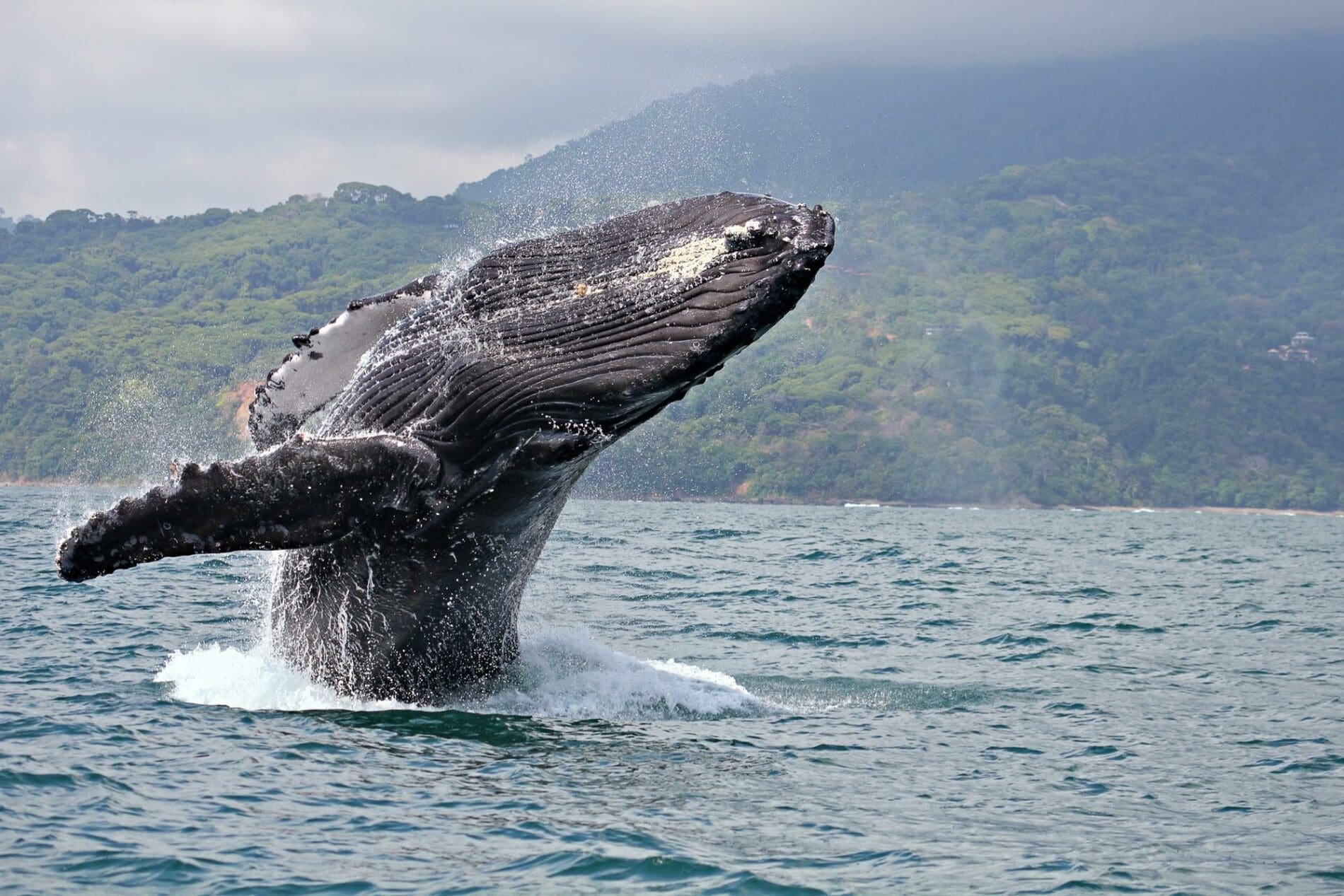
The naturalist scans with binoculars. You wait. Then a plume of mist rises 200 metres off the starboard side, and a humpback's barnacled head breaks the surface. The whale exhales, rolls, and shows its dorsal fin before descending. The boat drifts closer but stops at the 100-metre line. The whale surfaces again, this time with a calf alongside. The calf breaches, throwing itself clear of the water and crashing back in a white explosion. You hear the slap echo across the channel. The mother follows with a slower roll, her pectoral fin longer than the boat's beam. They surface three more times, each breath a visible jet of vapour, before diving deep and disappearing toward the outer islands. The captain restarts the engines and heads for the next sighting cluster near San José Island, where spinner dolphins often trail the whale pods.
All the details about your upcoming adventure in one place
The Pearl Islands archipelago offers exceptional humpback whale encounters during the July-to-October migration season. Whale watching Pearl Islands Panama tours depart from the Gulf of Panama, bringing you into protected waters where mothers and calves breach, tail-slap, and nurse within close view. Marine biologists frequently accompany expeditions, and the Pearl Islands' remote location ensures minimal boat traffic around the pods. Snorkeling gear is typically included for dolphin and sea turtle sightings between whale encounters.
Between July and October each year, humpback whales migrate over 8,000 kilometres from Antarctic feeding grounds to the warm Pacific waters surrounding Panama's Pearl Islands, creating one of Central America's most concentrated cetacean aggregations.
The archipelago's nutrient-rich channels and protected bays offer ideal calving conditions, and breeding females nurse newborns in depths ranging from 15 to 40 metres. Marine biologists estimate that 300 to 500 individual humpbacks pass through the Pearl Islands corridor annually, with peak activity concentrated in August and September when mothers teach calves breach mechanics and tail-slapping communication.
The archipelago itself comprises 227 islands and rocky islets scattered across 1,165 square kilometres of the Gulf of Panama, though only a handful support human settlement. Contadora Island, the tourism hub 70 kilometres southeast of Panama City, serves as the primary departure point for whale watching Pearl Islands Panama tours, while smaller outposts on Saboga and San José also operate seasonal excursions. Spanish colonial records from the 1530s note indigenous Chocó and Cuna tribes harvesting pearls from these waters long before Vasco Núñez de Balboa's arrival, though overfishing collapsed the oyster beds by the 18th century. Today the islands' remoteness and limited infrastructure preserve the marine ecosystem that draws Pacific humpbacks season after season.
Whale watching pearl islands panama expeditions typically depart Flamenco Marina on Panama City's Amador Causeway at dawn, covering the 40-nautical-mile crossing in 90 minutes aboard fibreglass pangas or twin-engine catamarans. The early launch window avoids the afternoon thermal winds that whip the Gulf of Panama into two-metre chop by midday, and morning light angles improve surfacing visibility. Operators cluster in the Contadora-Saboga channel where upwelling currents concentrate krill and small fish, the humpbacks' prey base. Sighting success rates hover near 85 percent during peak weeks, though ethical guidelines mandate 100-metre minimum distances and prohibit engine pursuit. The same warming waters that attract whales also support spinner dolphins, manta rays, and seasonal pods of false killer whales, making multispecies encounters common on longer tours.
Conservation protocols introduced in 2019 limit daily vessel counts in core breeding zones, and Panama's marine authority now requires certified naturalist guides on all commercial whale watching trips. The Pearl Islands' isolation has so far shielded the archipelago from mass tourism pressures, though monthly visitor numbers during whale season have climbed from 400 in 2015 to over 1,200 in recent years.

Between July and October, 300 to 500 humpback whales pass through the Pearl Islands corridor, with mothers teaching calves breach mechanics in protected Pacific bays.
Wear light, quick-drying clothing and comfortable footwear suitable for a boat deck. A light raincoat is recommended for sea spray, and hats or caps are essential for sun protection during whale watching pearl islands panama tours.
Secure your belongings in a waterproof day pack. Keep your passport accessible, as it is frequently required for check-in at the marina for whale watching pearl islands panama trips.
Bring a camera with a zoom lens to capture marine life from a distance, as regulations require boats to maintain a safe gap. Protecting your equipment from sea spray is essential for any whale watching pearl islands panama tour.
Families are welcome, but confirm age restrictions with your provider before purchasing whale watching pearl islands panama tickets. Ensure children have appropriate life jackets and sun protection.
Vessel accessibility varies; travelers with mobility concerns should check with the operator when booking whale watching pearl islands panama tickets. Most catamaran ferry docks require navigating ramps or steps to reach the boat.
Most tours include lunch and bottled water, though some allow guests to bring their own snacks for the ride. Consumption of personal beverages is subject to the rules of your chosen whale watching pearl islands panama tour operator.
Opening Hours
06:00–09:00 daily
Address
Flamenco Marina, Amador Causeway, Panama City, Panama
Accessibility
Varies by vessel; consult your tour operator for wheelchair suitability
Best Arrival
06:30–07:30
Storage
Limited availability on catamarans; pack light in a day bag
Navigation
Tours depart from Flamenco Marina, Amador Causeway
Cancellation policies are determined by individual tour operators. Please verify your specific whale watching pearl islands panama tour agreement for refund eligibility, as entrance fee to the archipelago is 0 USD (Free entry to the archipelago; whale watching is tour-based only).
Recommended time
Full day
Planning your day for whale watching pearl islands panama requires a full day commitment due to the transit time from the city. Guests should arrive during the 06:30–07:30 window to ensure smooth marine navigation, as this early departure minimizes exposure to choppy afternoon swells. Because whale watching pearl islands panama tours operate on a fixed morning schedule, visitors will find that port activity at the Flamenco Marina, Amador Causeway, Panama City, Panama is most concentrated during the initial boarding phase. Please note that while whale watching pearl islands panama tickets are available for purchase, the nature of these excursions means that group sizes remain managed throughout the journey to provide optimal viewing of migratory humpback whales and marine life. Securing your spot on a whale watching pearl islands panama tour early in the morning remains the most reliable strategy for a successful experience.
Crowd levels through the day
The Pearl Islands archipelago earned its name during the early 16th century when Spanish conquistadors discovered indigenous Kuna and Emberá peoples harvesting exceptionally large pearls from its warm Pacific waters. By 1513, Vasco Núñez de Balboa had claimed the region for Spain, establishing pearl diving operations that would dominate the local economy for three centuries. Colonial-era divers, many enslaved or coerced, worked the oyster beds surrounding Contadora and San José islands, extracting pearls that adorned European royal crowns. The industry collapsed by the early 1900s due to over-harvesting and disease outbreaks among oyster populations, leaving the archipelago economically isolated. Whale watching pearl islands panama emerged as a conservation-driven alternative only in the late 20th century. Marine biologists documented humpback whale migrations through the Gulf of Panama starting in the 1970s, but commercial tourism remained absent until the 1990s. The Panamanian government designated portions of the archipelago as marine protected areas in 1994, prohibiting commercial fishing within critical breeding zones. This legal framework allowed humpback whale populations—migrating from both Antarctic and California feeding grounds—to rebound. Tour operators based at Flamenco Marina began offering seasonal whale watching pearl islands panama tours in 2003, targeting the July-to-October southern migration window when mothers nurse calves in sheltered bays. Today's whale watching industry coexists with strict environmental protocols established in 2011 by Panama's Ministry of Environment. Vessels must maintain 100-meter distances from whales, limit engine noise, and carry certified naturalist guides. The archipelago's colonial pearl-diving infrastructure—stone jetties, iron anchors, crew quarters on Contadora—now serves as historical backdrop for eco-tourism narratives. Researchers from the Smithsonian Tropical Research Institute continue monitoring humpback populations, publishing data that informs seasonal tour schedules and vessel routing to minimize disturbance during calving periods.
Vasco Núñez de Balboa claims the Pearl Islands for Spain after observing indigenous pearl harvests.
Spanish colonial authorities operate forced pearl diving operations, extracting thousands of pearls annually.
Oyster bed collapse ends commercial pearl harvesting; archipelago economy stagnates for decades.
Panama designates marine protected zones around the Pearl Islands, banning commercial fishing in whale breeding areas.
First licensed whale watching pearl islands panama tours depart from Flamenco Marina during southern humpback migration.
Ministry of Environment enforces 100-meter approach limits and mandatory naturalist guides on all whale watching vessels.
Smithsonian researchers document stable humpback populations; tours operate July–October with capacity limits.
Position yourself at the end of the pier for a low-angle shot of departing vessels against the city skyline before you set out for whale watching pearl islands panama.
Stand near the front railing to capture the clearest frame of humpback whale breaches without obstruction from the boat cabin on whale watching pearl islands panama tours.
Utilize a telephoto lens from the boat deck to capture the lush island silhouettes as a backdrop for marine life sightings on a whale watching pearl islands panama tour.
Capture the departure sequence from the shoreline where the Pacific Ocean meets the marina, a common starting point for whale watching pearl islands panama tickets.
Visitors preparing for a whale watching pearl islands panama excursion will find limited early-morning dining options at Flamenco Marina. Most travelers utilize these whale watching pearl islands panama tours by grabbing a quick coffee before departure, as full meals are typically served on the destination islands during your whale watching pearl islands panama tour.
This venue offers quick breakfast sandwiches and coffee, making it a convenient stop for those holding whale watching pearl islands panama tickets. It is most crowded between 07:00 and 07:30 as boat passengers gather.
Real experiences from real travelers
We joined a whale watching pearl islands panama tour in late August and spotted three humpback whales within the first hour. The crew from Contadora knew exactly where to position the boat. Water was calm and visibility perfect. Our guide explained the migration patterns between Colombia and Costa Rica while we watched a calf practice breaching.
The Pearl Islands archipelago offers pristine whale observation conditions during the southern migration window. We saw tail slaps, pectoral fin displays, and heard their songs through the hydrophone. Captain maintained proper distance while giving us spectacular views. Departed from Contadora at dawn and returned by noon.
Booked a Pearl Islands whale watching excursion through a certified operator. They provided polarized sunglasses and explained the humpback behavior we were observing. Saw five different individuals including one juvenile practicing bubble-net feeding techniques. The volcanic island backdrop made photography exceptional.
Took the ferry from Panama City to Contadora then joined a whale watching pearl islands panama tour the next morning. Saw a competitive pod of four males displaying for a female. The naturalist guide identified each whale by their fluke patterns. Seas were gentle and we stayed out for three hours.
The Pacific waters around the Pearl Islands provide reliable cetacean encounters from July through October. We observed distant spouts and one close approach by a curious juvenile. Operators follow strict guidelines to avoid disturbing the whales during their breeding and calving activities.
Our captain spotted whale blows from two kilometers away and approached slowly. The humpbacks were feeding on small fish schools near Isla San José. We watched synchronized diving and surfacing for nearly an hour. Binoculars provided enhanced the distant observations of tail throws.
The whale watching pearl islands panama experience exceeded expectations. We encountered a mother teaching her calf to breach in calm morning waters. Guide shared research about the Eastern Pacific humpback population. Contadora base has excellent facilities and knowledgeable staff.
Departed Contadora marina at sunrise for optimal lighting and whale activity. Observed pectoral slapping and heard vocalizations clearly. The Pearl Islands location offers sheltered bays where humpbacks rest during migration. Photographer on our boat captured a full breach sequence against the island silhouette.
The tour operator provided marine biologist commentary throughout our whale watching pearl islands panama excursion. We logged six different humpback individuals based on dorsal fin characteristics. Conditions were perfect with light winds and glassy seas. Thermal imaging equipment helped locate distant pods.
Pearl Islands whale tours operate with small groups ensuring everyone gets viewing space. We witnessed competitive male displays including head lunges and peduncle throws. The volcanic islands create a dramatic setting for observing these massive cetaceans. Return trip included dolphin sightings near Saboga.
Everything you need to know for your journey
The peak season for whale watching pearl islands panama is between July and October.
There is 0 USD (Free entry to the archipelago; whale watching is tour-based only) as a conservation fee for the islands.
The best arrival window for your whale watching pearl islands panama excursion is 06:30–07:30 to ensure a timely departure.
Tours depart from Flamenco Marina, Amador Causeway, Panama City, Panama.
Yes, you must bring your original passport for check-in at the Flamenco Marina before starting your whale watching pearl islands panama tour.
Many operators include lunch, but you may bring light snacks; verify with your specific whale watching pearl islands panama tour operator.
Yes, but please check the minimum age requirement with your provider when booking your whale watching pearl islands panama tickets.
Sightings depend on sea conditions and migration patterns, making whale watching pearl islands panama a natural adventure rather than a guaranteed event.
Most excursions last approximately 8 to 10 hours from departure to return at the Flamenco Marina.
Join thousands of happy travelers who have discovered this incredible experience
Book Your Experience Now